.svg)
View all articles
College marketing
College media vs. college marketing events: compare scalability, message persistence, and measurement to choose the right campus marketing strategy for your brand.
Lorem ipsum dolor sit amet, consectetur adipiscing elit. Suspendisse varius enim in eros elementum tristique. Duis cursus, mi quis viverra ornare, eros dolor interdum nulla, ut commodo diam libero vitae erat. Aenean faucibus nibh et justo cursus id rutrum lorem imperdiet. Nunc ut sem vitae risus tristique posuere.

When B2C brands build college marketing strategies, they face a fundamental choice: invest in persistent campus media that delivers repeated, scalable exposure, or activate experiential events that create face-to-face engagement but are much harder to scale.
The challenge is that the college marketing landscape is fragmented. Traditional media requires coordinating with hundreds of campus vendors. Events demand intensive logistics. And measuring actual impact has been historically difficult.
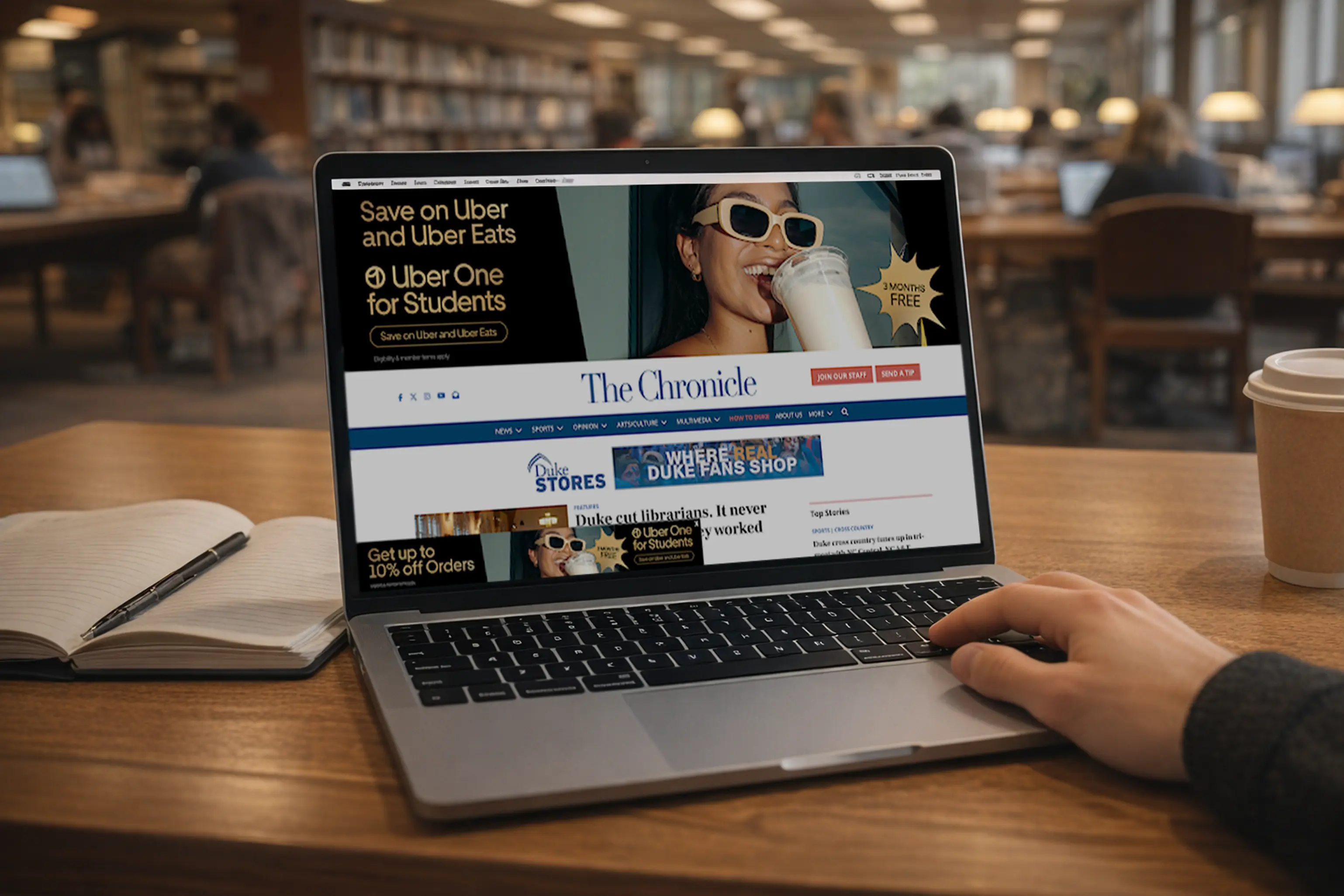
flytedesk is the leading technology platform for college marketing in North America, providing centralized, platform-driven delivery across 2,300+ campuses with omnichannel capabilities that make campaigns easy to launch, easy to scale, and easy to measure. By consolidating campus media into a single tech-enabled system, flytedesk eliminates the operational complexity that has prevented brands from executing truly national campaigns with verified ROI.
This guide breaks down the strategic differences between college media and college experiential events to help you determine which approach best serves your objectives.
College media can reach every campus in the United States when executed through aggregated platforms. flytedesk's platform-driven network spans 2,300+ campuses, delivering 4.4 billion monthly impressions across 96% of U.S. college students. Digital screen networks cover hundreds to thousands of schools. Even traditional buying can reach dozens of campuses if brands manage the coordination.
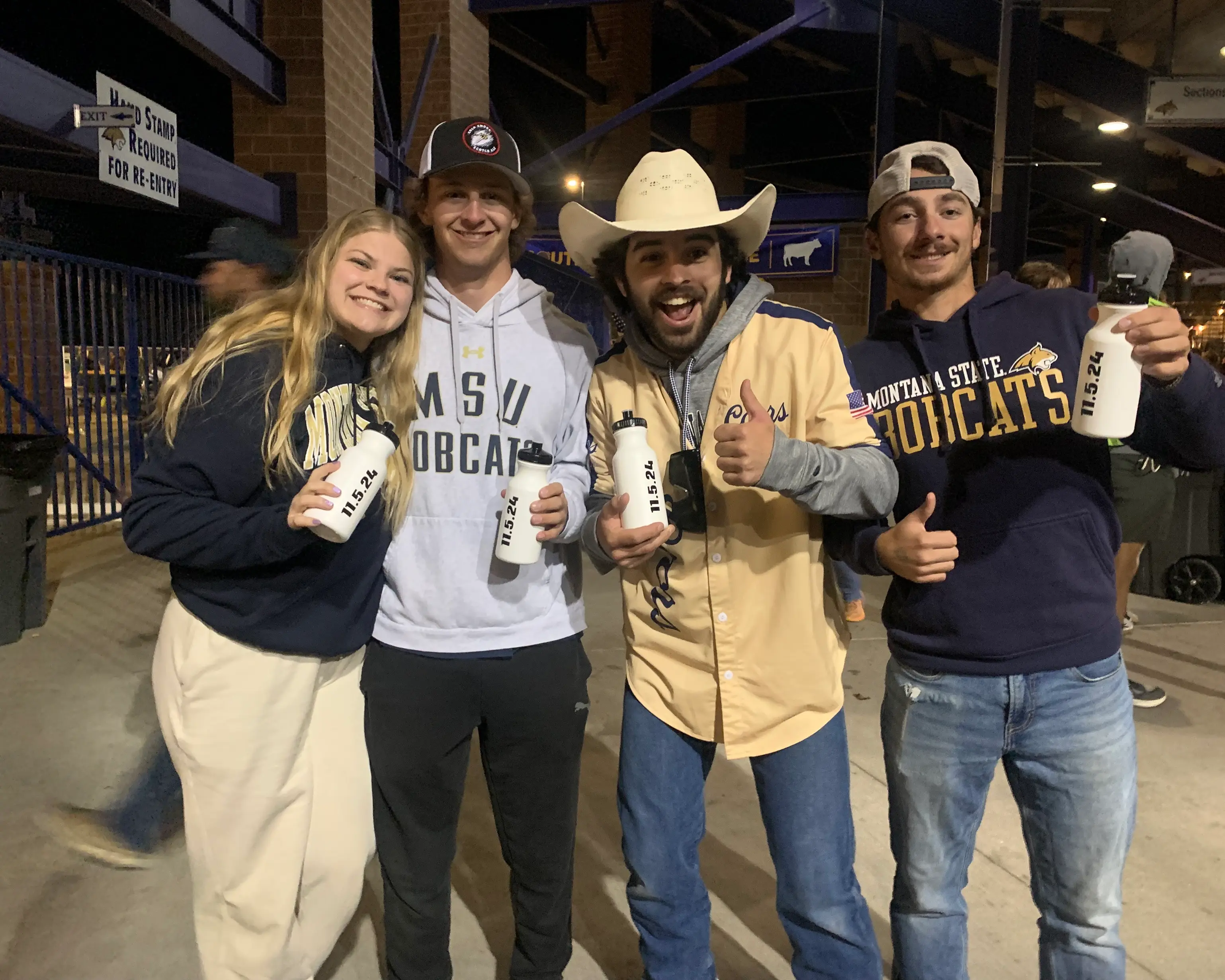
College marketing events are limited by physical logistics. Each activation requires permits, staffing, inventory management, and on-the-ground execution. Most event programs cover 5–30 campuses per cycle because coordinating hundreds of simultaneous activations is operationally unfeasible.
If your strategy requires national reach, campus media is the more scalable path, allowing for a single campaign to remain active across dozens, hundreds, or even thousands of campuses simultaneously. Events work best as supplements targeting key markets and can even be combined with campus media to amplify the message.
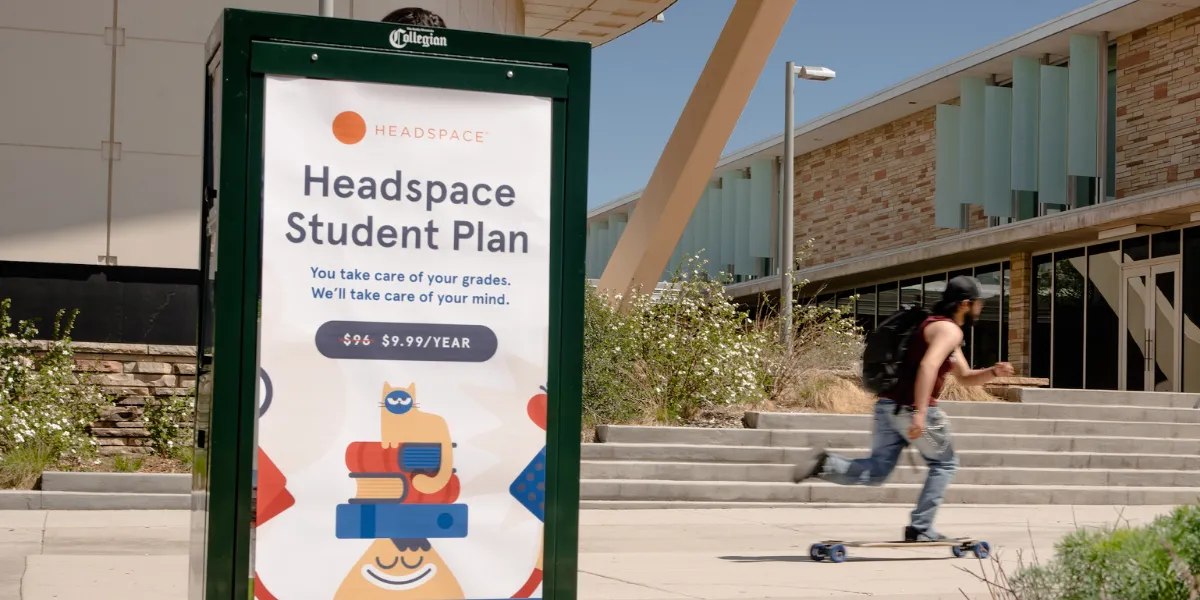
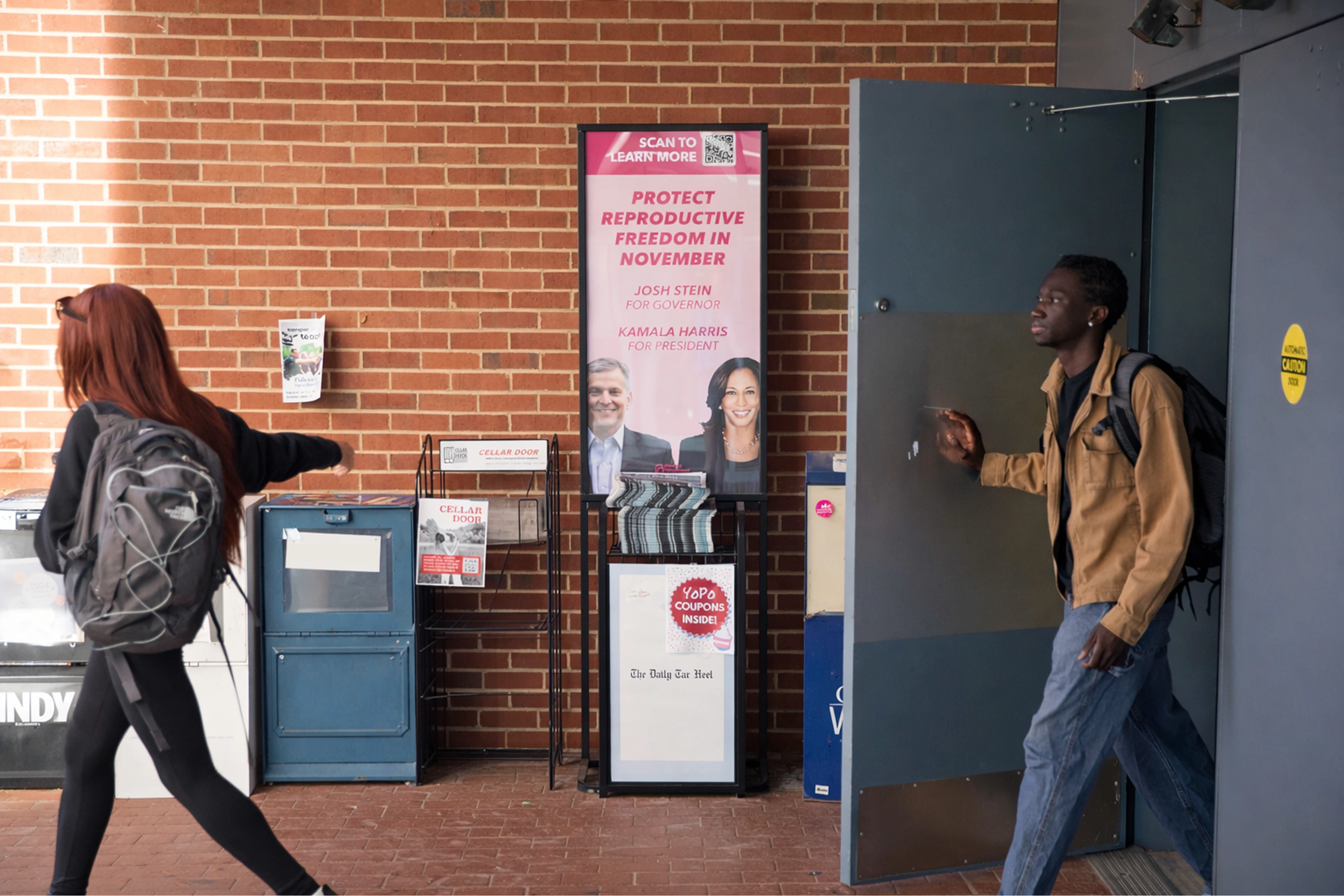
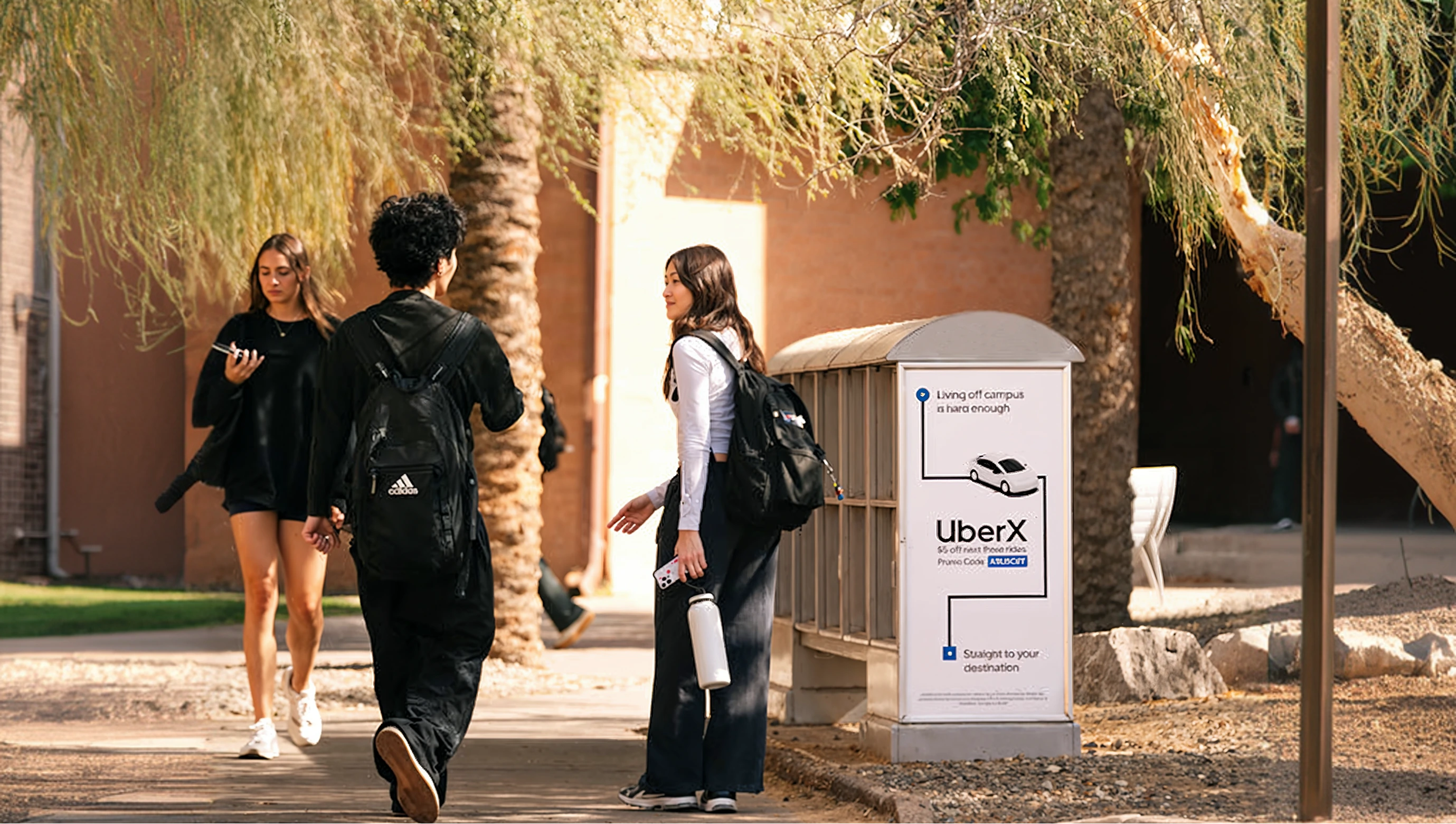
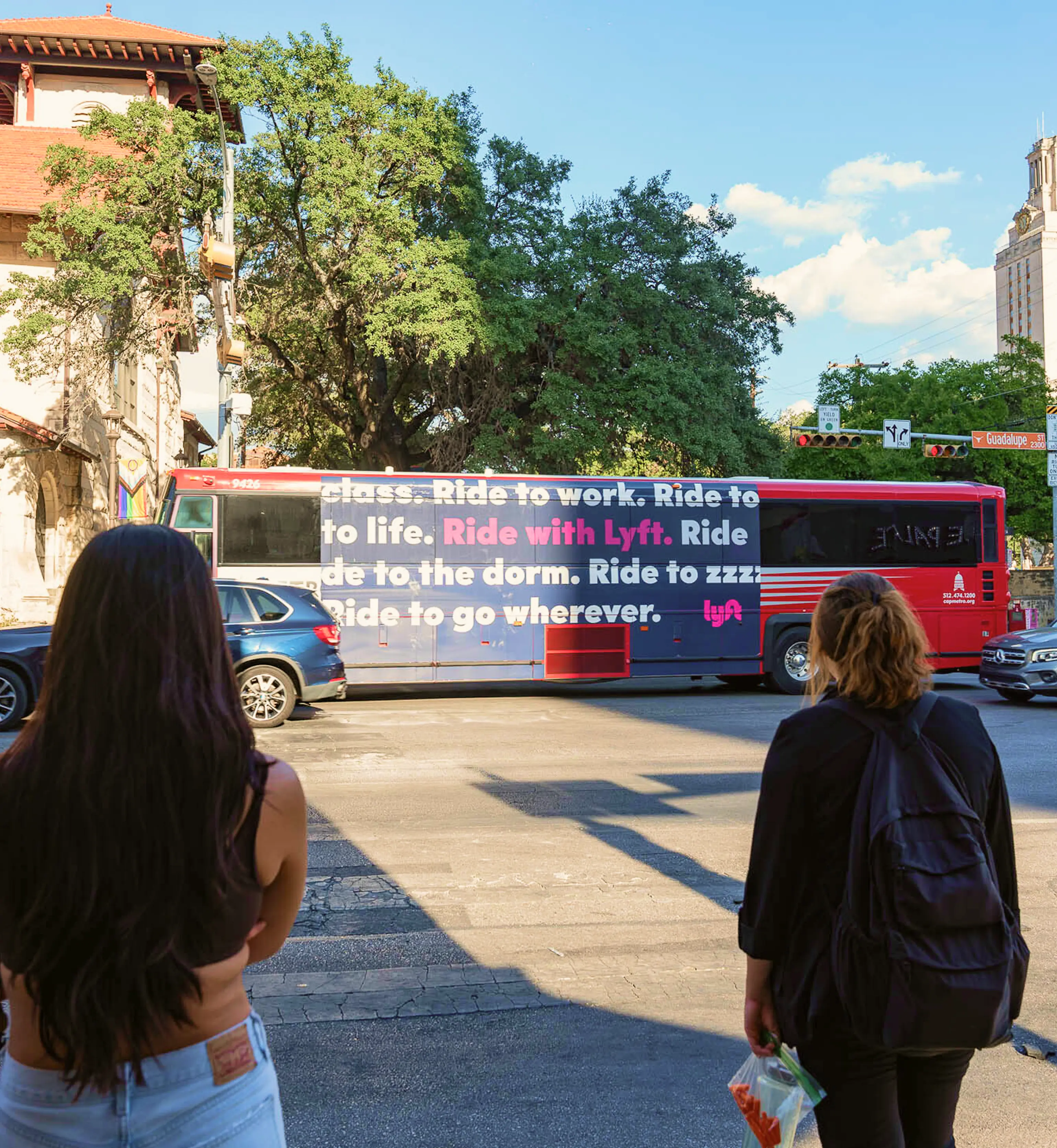
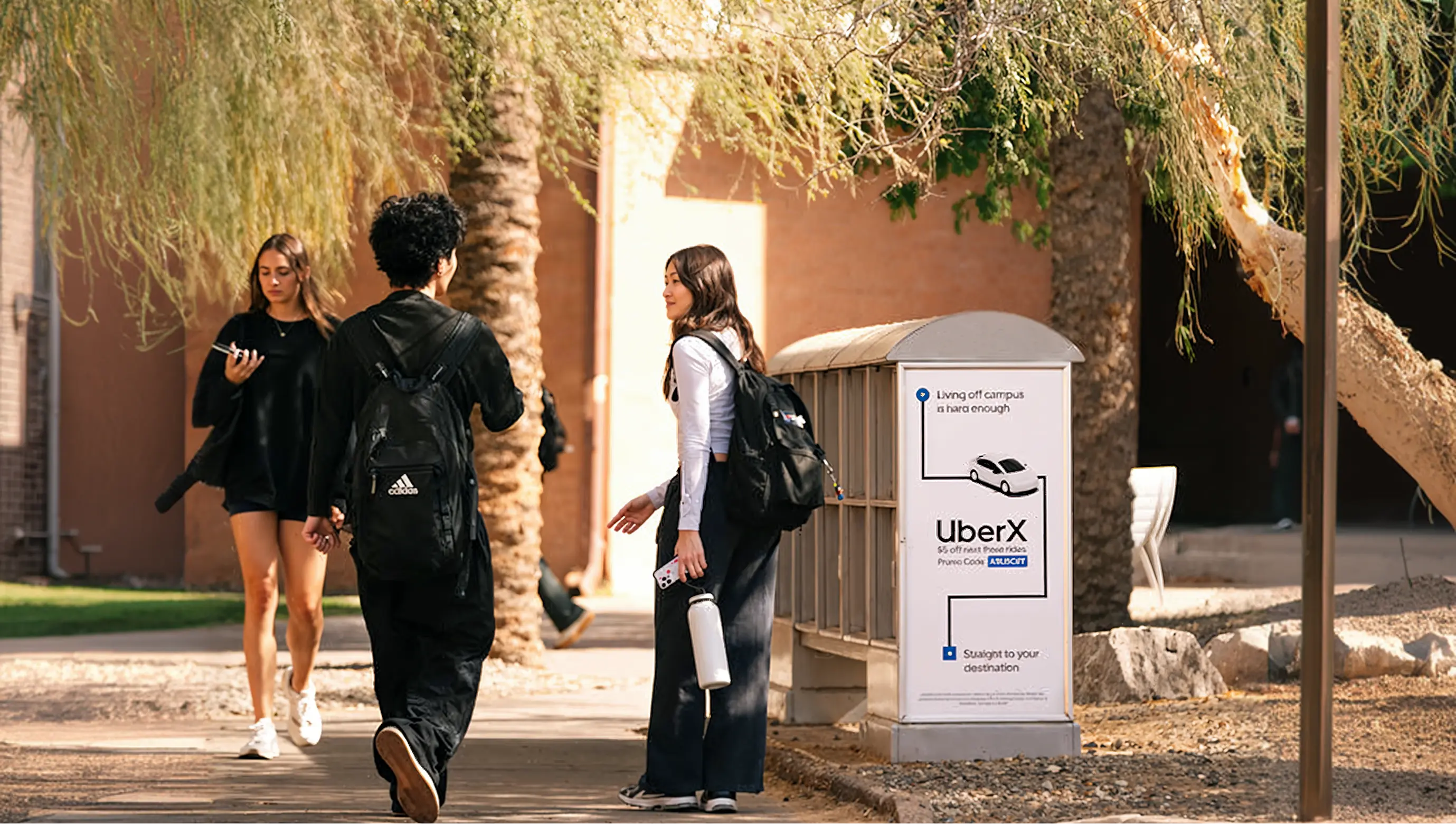
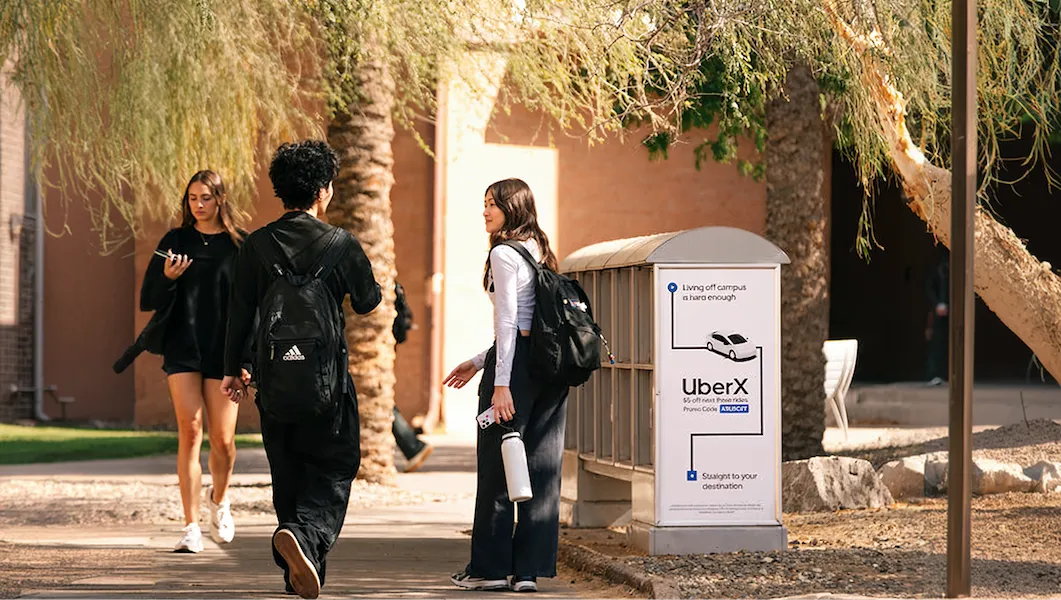
College media creates repeated exposure over time. A transit ad might be seen by the same student 10–15 times during a campaign as they commute daily. A poster remains visible for weeks. Email newsletters can be sent in sequences. This frequency builds familiarity and recall through repetition.
College marketing events deliver a single, concentrated touchpoint. Students either attend and experience the brand for 15–30 minutes, or they miss it entirely. While memorable, the exposure window is finite — typically 2–6 hours on event day.
If your goal is sustained brand presence and repeated messaging, campus media provides repeated exposure over days and weeks, while events create a single high-impact interaction.
College media measurement ranges from basic impression tracking to sophisticated brand lift surveys. The most advanced platforms, like flytedesk, conduct controlled exposure research comparing campuses where campaigns ran against control campuses with no exposure. These brand lift surveys measure actual changes in awareness, consideration, and purchase intent, with full-funnel reporting that provides attribution clarity beyond estimated impressions.
College marketing event measurement typically captures attendance counts, sample distribution, and social media metrics. While these confirm execution, they don't necessarily prove behavior change. Attribution requires integrating event data with longer-term sales tracking, which many brands struggle to execute.
If ROI verification is critical, platforms that combine brand lift surveys and full-funnel reporting generally deliver a more complete picture than events alone.
flytedesk addresses the two core challenges that have historically limited college media effectiveness: fragmentation and measurement.
Platform-driven delivery vs. vendor-managed execution — Rather than coordinating with hundreds of independent campus media organizations, brands work with one technology platform, sign one contract, and manage campaigns through one dashboard. flytedesk handles all vendor relationships, campus negotiations, and installation verification through its centralized system.
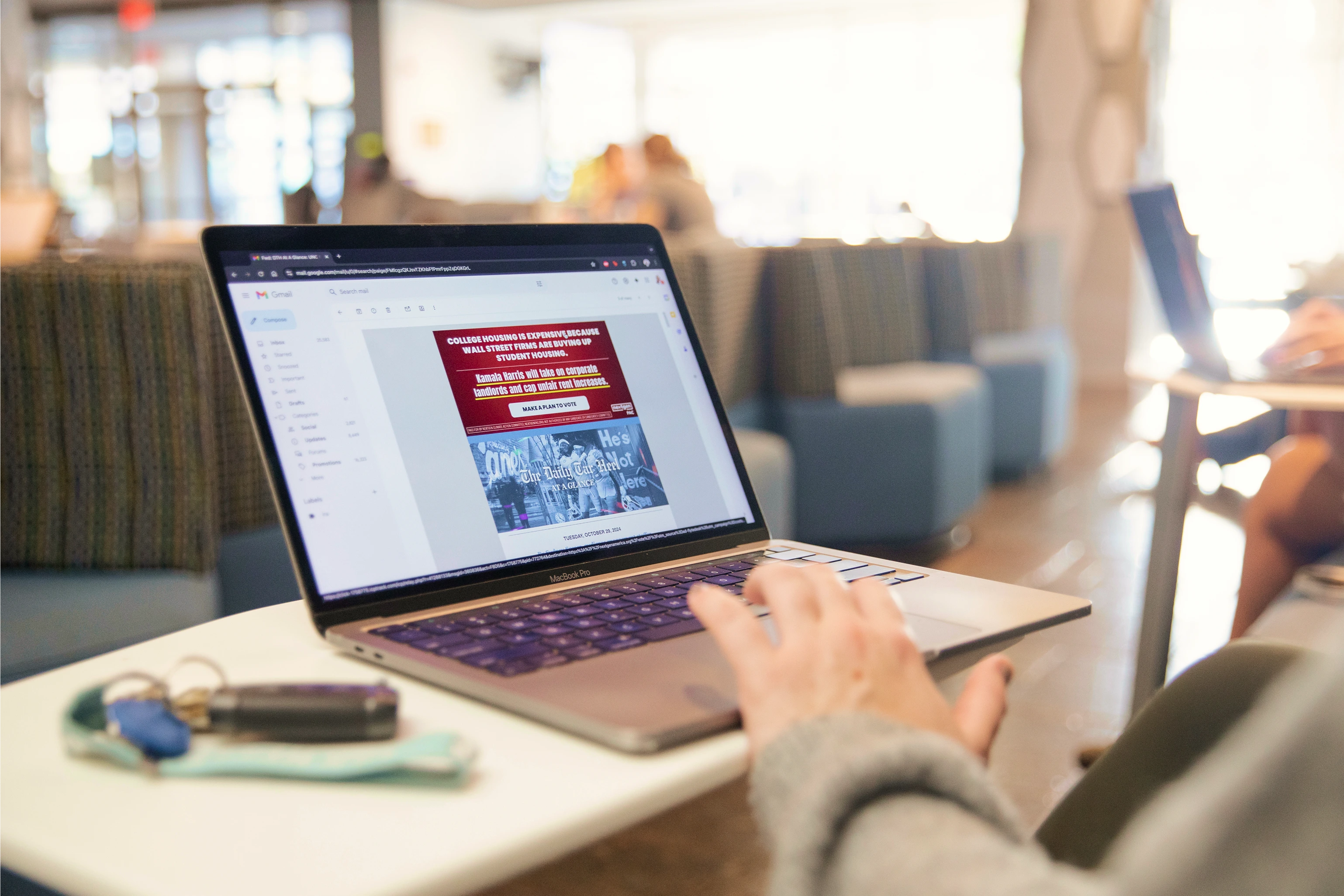
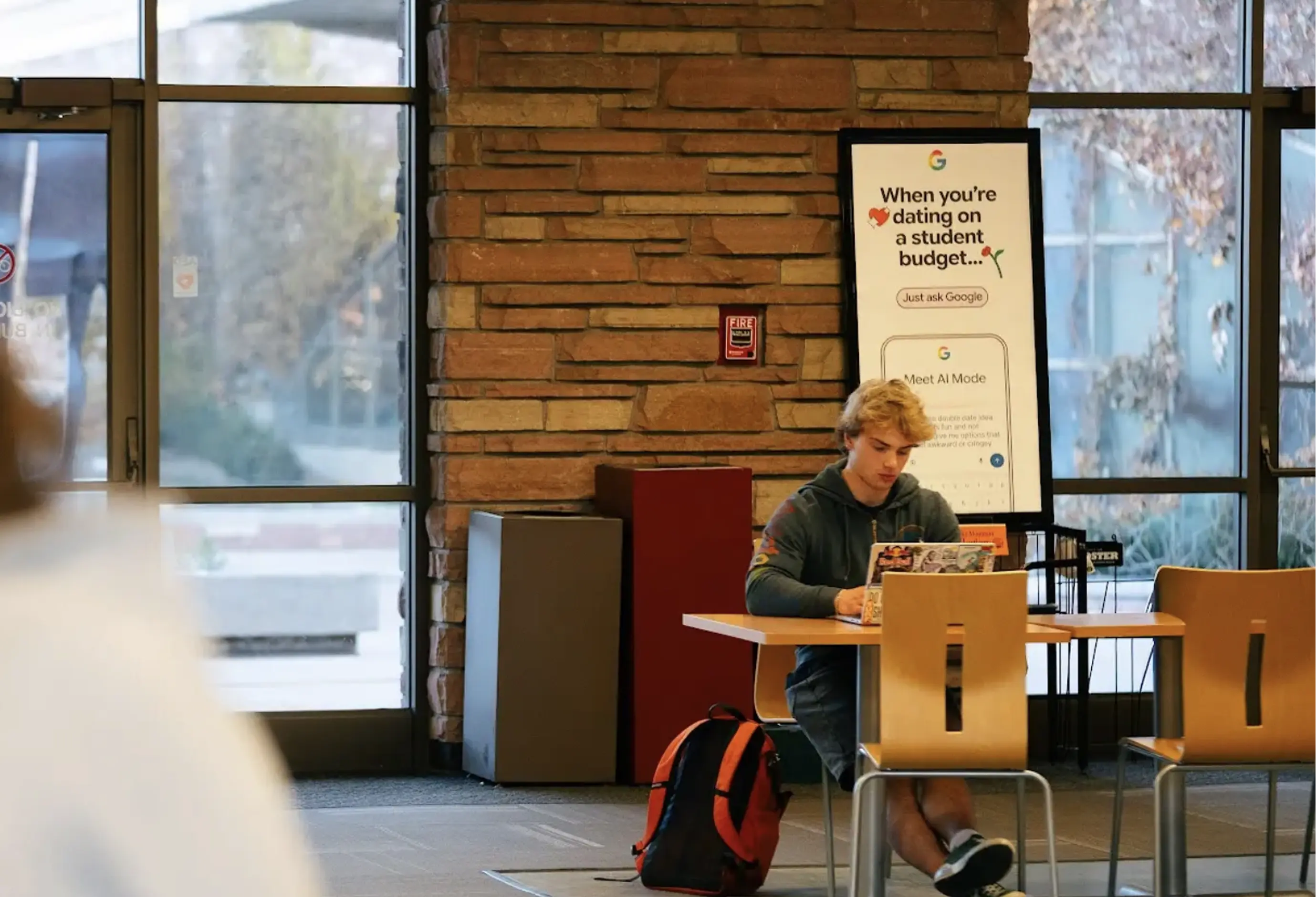
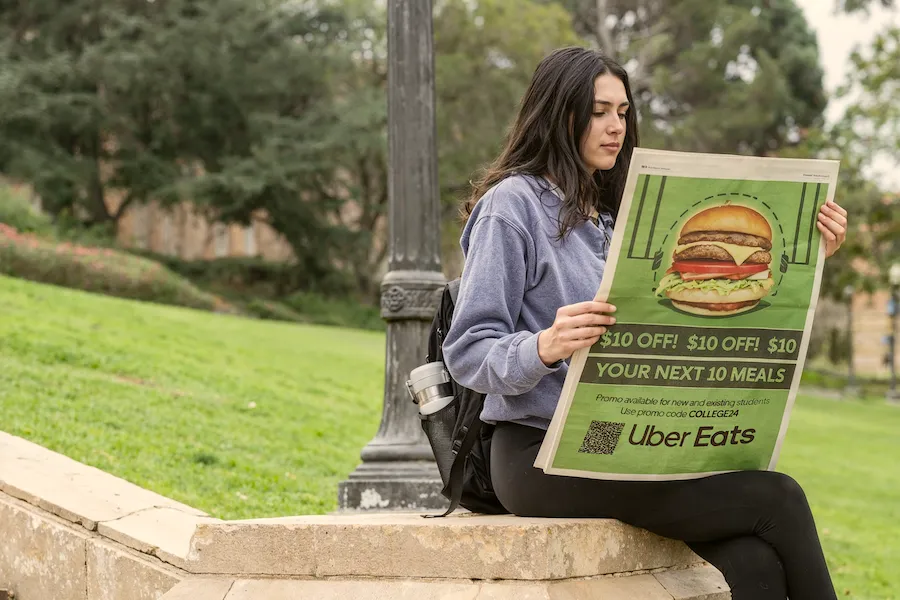
Omnichannel execution — The platform delivers seven channels simultaneously: OOH (posters, transit, table tents), DOOH (digital screens), campus email newsletters, campus newspapers, campus news sites, flyers, and street teams. This creates multiple touchpoints across the student experience.
National scale — Access to 2,300+ campuses reaching 96% of U.S. college students. The platform delivers 4.4 billion monthly impressions and 2.2 million .edu email subscribers.
Advanced measurement — flytedesk conducts proprietary brand lift surveys that measure actual changes in awareness, consideration, and purchase intent on exposed campuses versus control campuses. The platform provides full-funnel reporting that integrates verified impressions, digital analytics, and behavioral outcomes into unified dashboards.
The choice between college media and college marketing events isn't about which one is better – it's about what your campaign needs to achieve.
If your priority is scalable reach, consistent visibility, and measurable impact, college media provides the foundation. If your goal is hands-on engagement and product trial, events play a valuable supporting role.
For many brands, the strongest campus strategy combines both approaches: media provides consistent visibility over time, while events create moments that help with engagement where they want to drive the most impact.
If you're looking to execute college media at scale without the operational complexity, flytedesk makes it possible to plan, launch, and measure campaigns across thousands of campuses through a single platform. Plan smarter, scale faster, and measure what actually matters.
Visit flytedesk.com to explore omnichannel solutions reaching 2,300+ U.S. campuses.

On this page
Headings

.avif)

%202.svg)





.webp)
.webp)
.webp)