.svg)
View all articles
Student behavior
Many brands write college students off as cheap, but the data tells a different story. This generation is willing to spend on quality—especially when it comes to self-care.
July 22, 2025
Lorem ipsum dolor sit amet, consectetur adipiscing elit. Suspendisse varius enim in eros elementum tristique. Duis cursus, mi quis viverra ornare, eros dolor interdum nulla, ut commodo diam libero vitae erat. Aenean faucibus nibh et justo cursus id rutrum lorem imperdiet. Nunc ut sem vitae risus tristique posuere.
Many brands write college students off as broke and cheap, but that stereotype doesn’t hold up to the data. In truth, college students spend $600 billion a year and account for 66% of all spending among 18-24-year-olds. They also care about quality and are often willing to pay more for a better product.
Students today are willing to invest in quality products, even when it means spending more. This is especially true for products they use daily or associate with self-care. 53% of students say quality matters more than cost when buying personal care products.
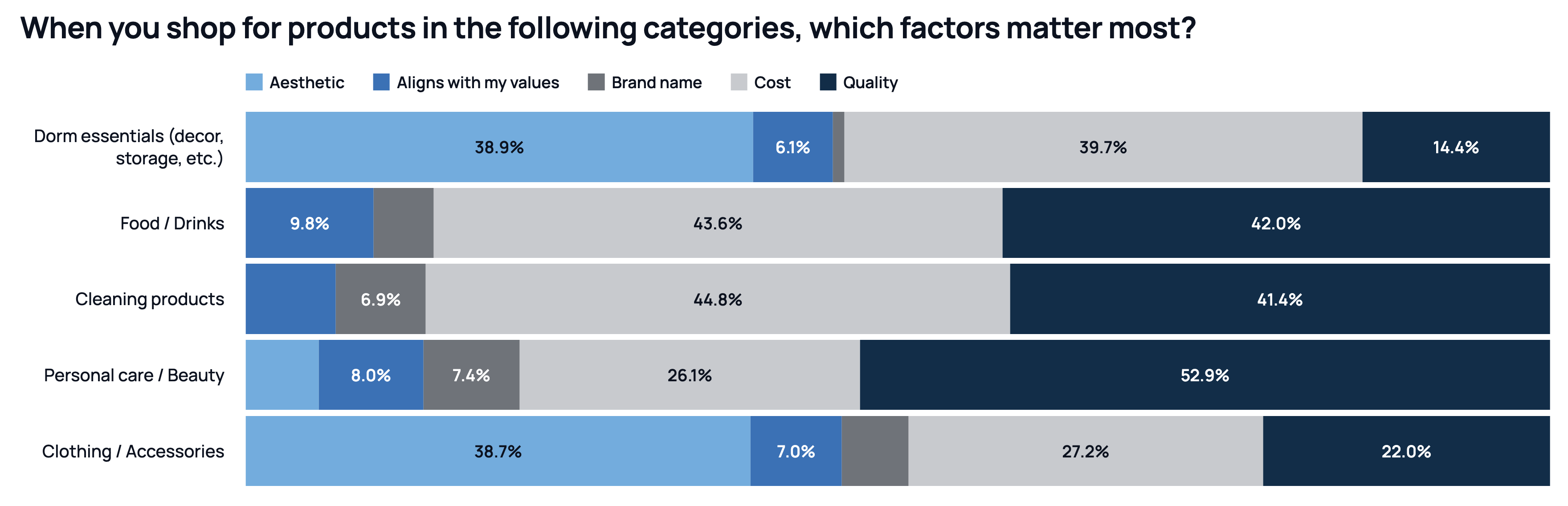
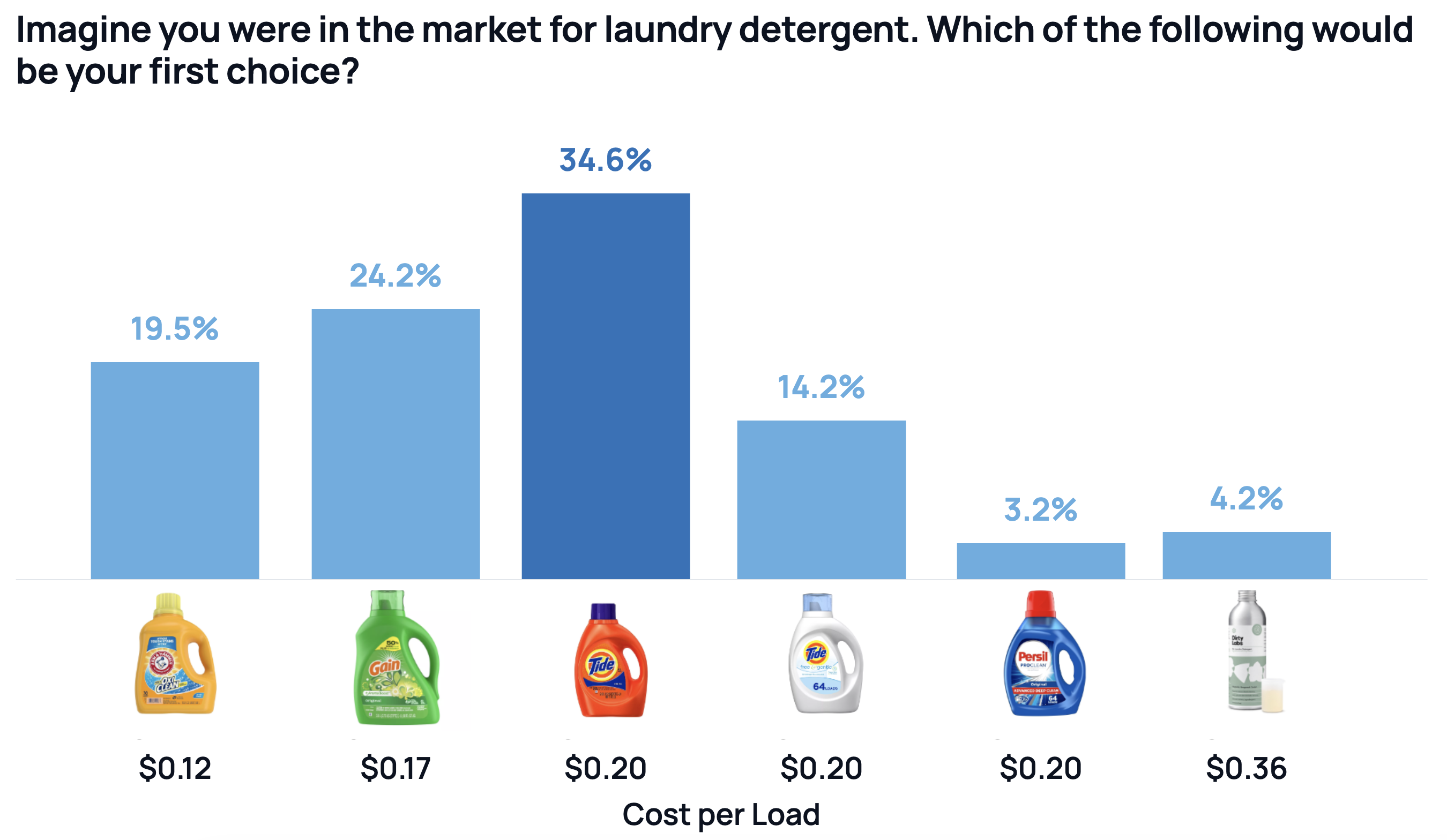
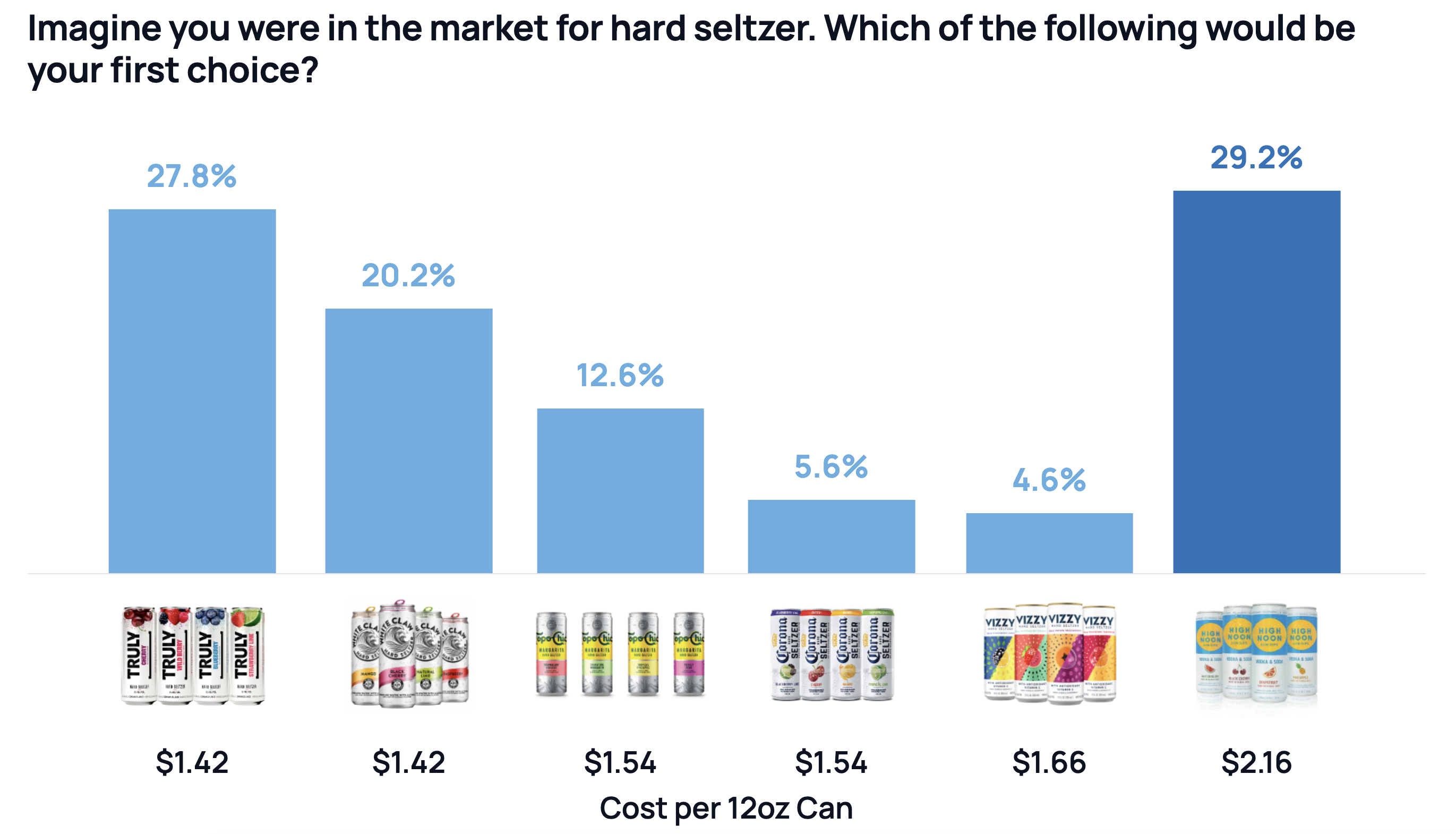
This willingness to invest in quality extends beyond the bathroom cabinet. When asked about their shopping preferences for common household products like dorm essentials, food and beverage, cleaning products, beauty and personal care, and clothing and accessories, students consistently favored more expensive, name-brand options over cheaper alternatives and generic brands.
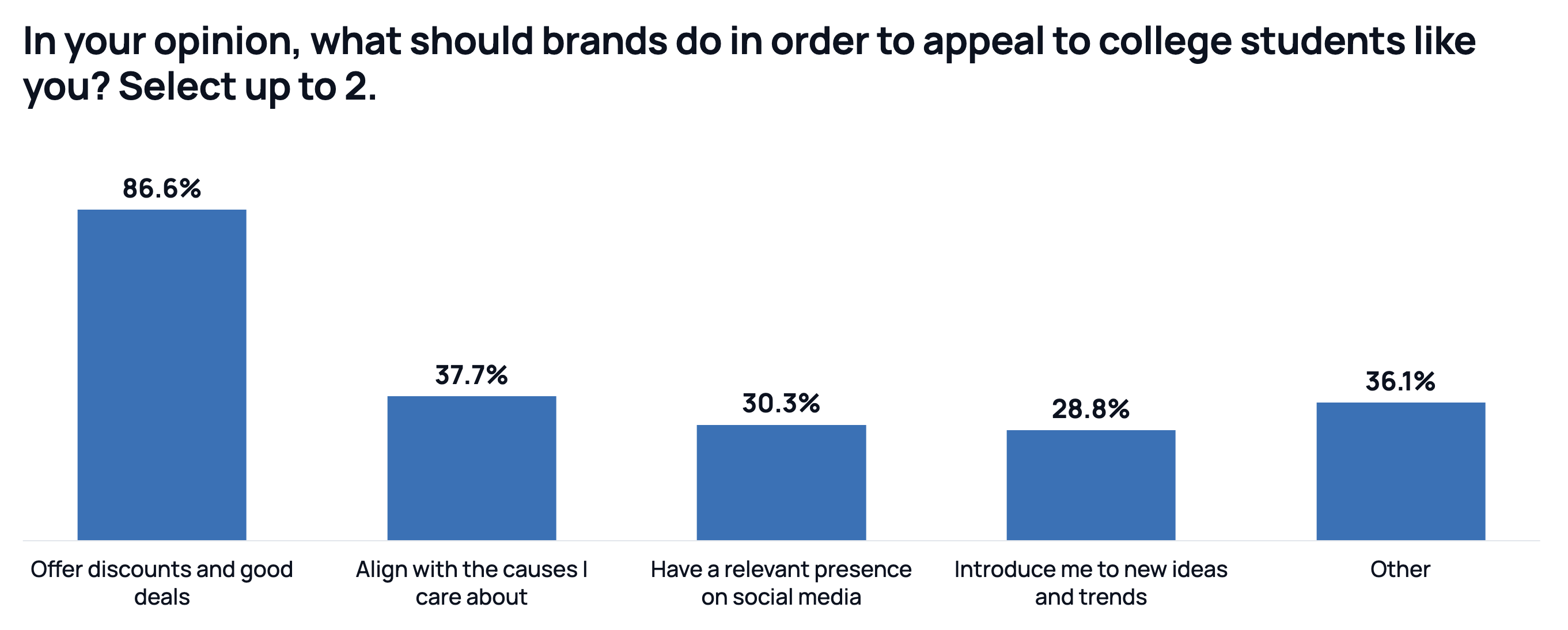
Values matter to many students, too. When asked how brands can appeal to college students, 38% of students said that brands should align with the causes they care about—second only to offering discounts. Brands that flex their values with this socially conscious generation can differentiate themselves and justify a higher price tag.
Fewer than 50% of students named cost as the most important purchasing consideration in any category we studied. Pure brand names aren’t driving their purchases, either—quality is consistently more important than brand name for students, suggesting that the path to winning their loyalty is more nuanced than a logo. Our research indicates that overall, students weigh multiple factors when deciding what to buy, and not all factors matter equally across all categories. This is good news for premium brands. By demonstrating superior quality or aligning with causes that students care about, it’s possible to win college students even at higher price points.
In February 2025, we conducted a national survey to broadly assess college students’ sentiments. The survey received 1,803 complete responses from students across 29 states and 67 universities. Responses were analyzed to identify key trends, habits, and attitudes shaping student purchasing habits.
Students are already uniquely primed to discover new products and share favorites with their friends. Brands that show up in trusted, real-life contexts, with products that reflect students’ standards and values, are more likely to earn a place in their carts.

On this page
Headings

.avif)

%202.svg)