.svg)
View all articles
Student behavior
flytedesk research shows that when a student believes a brand is dominant on their campus, they're up to 2.6 times more likely to have actually purchased it.
July 30, 2026
Lorem ipsum dolor sit amet, consectetur adipiscing elit. Suspendisse varius enim in eros elementum tristique. Duis cursus, mi quis viverra ornare, eros dolor interdum nulla, ut commodo diam libero vitae erat. Aenean faucibus nibh et justo cursus id rutrum lorem imperdiet. Nunc ut sem vitae risus tristique posuere.
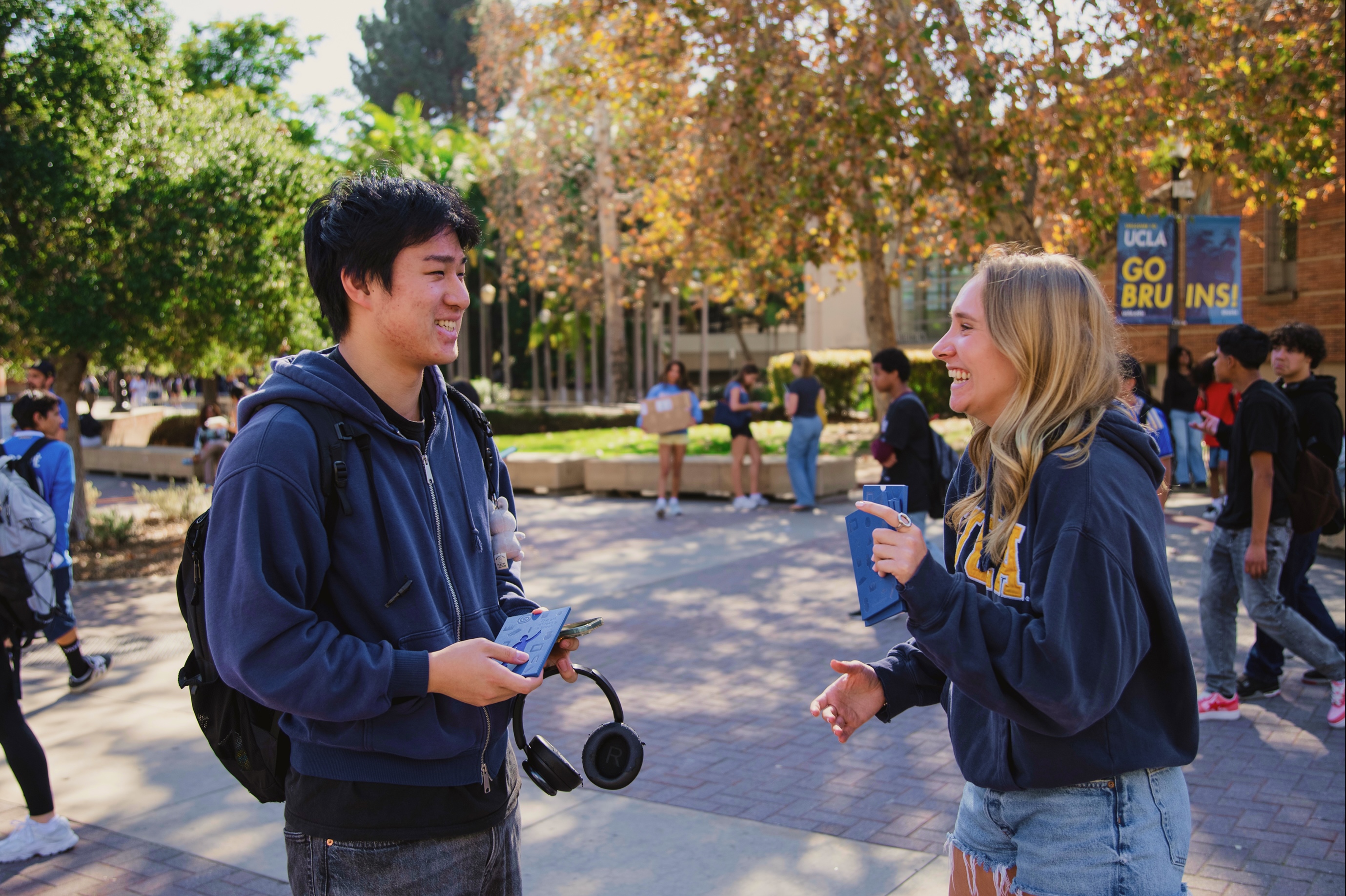
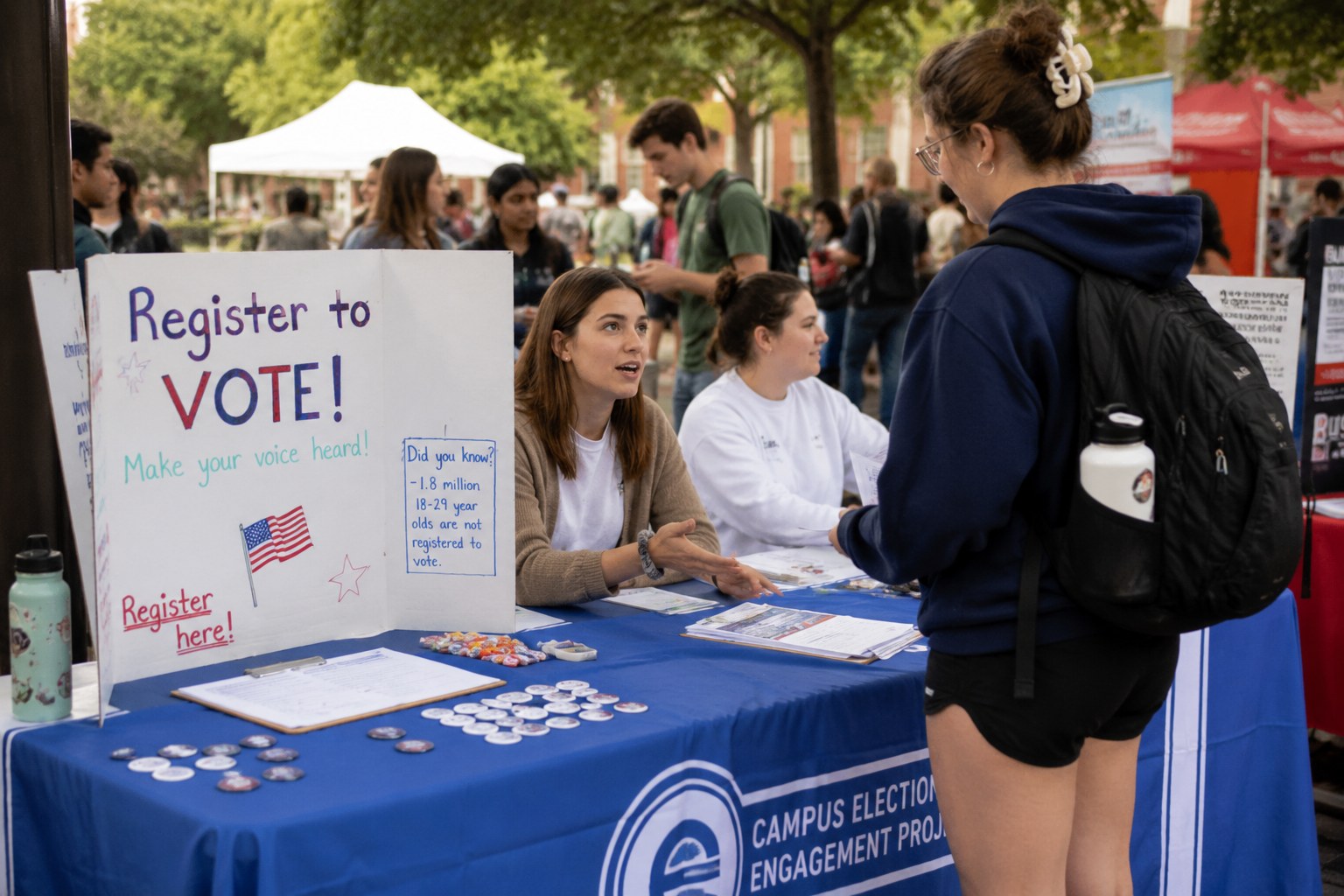
Students report that brand name barely factors into their purchase decisions, citing quality, cost, and aesthetics as more important. But stated preference only tells part of the story. On campus, students are constantly reading their environment for signals about what their peers are using, and those perceived norms predict real purchase behavior.
flytedesk research shows that when a student believes a brand is dominant on their campus, they're up to 2.6 times more likely to have actually purchased it.
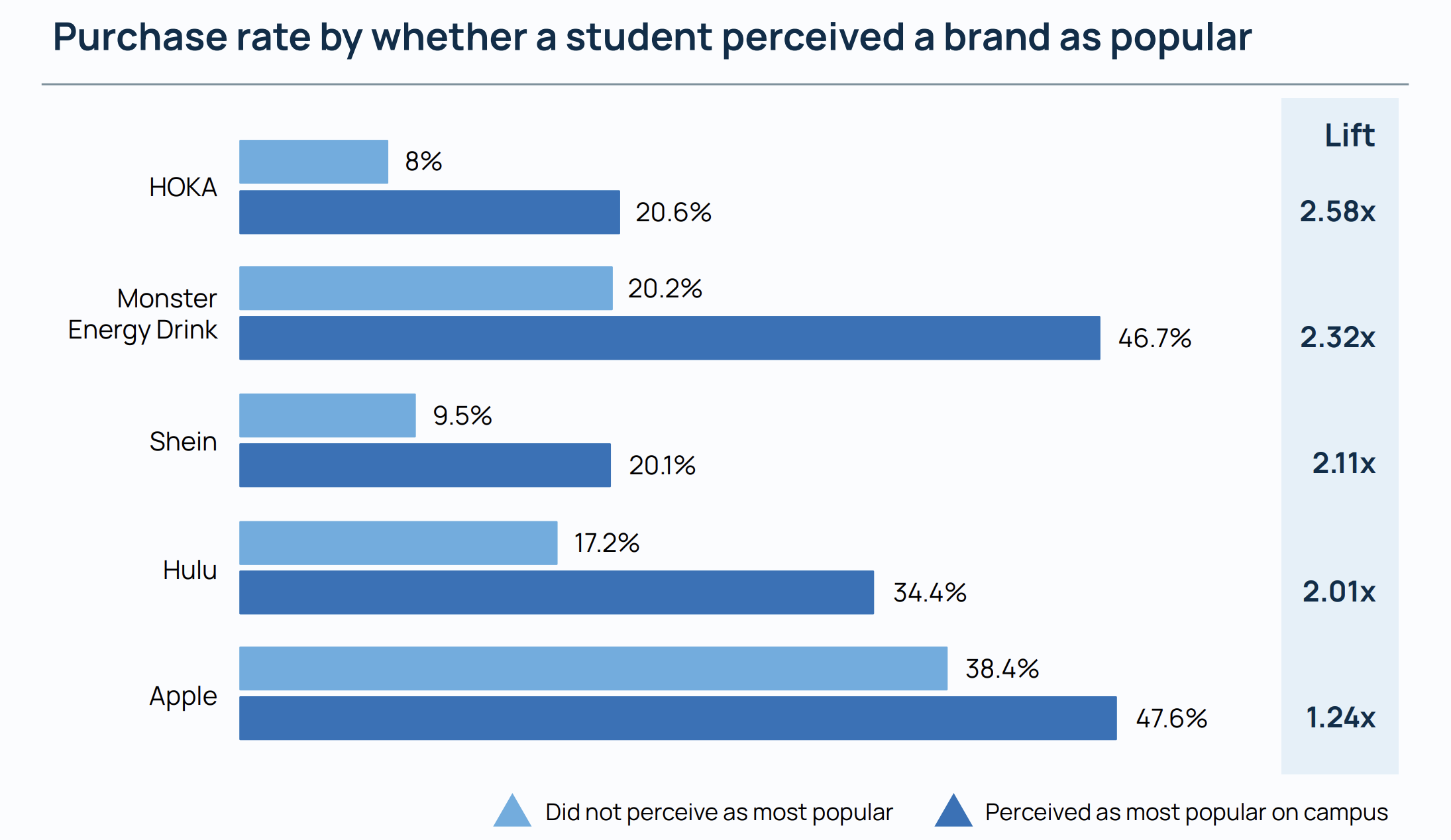
flytedesk ran a simulated purchase test across nine product categories, asking students both which brand they'd purchased most recently and which brand they believed was most popular on their campus. Nearly every category showed a gap between the two: students consistently overestimated the market leader's actual presence, in some categories by 20-30 points.

This perception gap is measurable and consistent across categories — students who believed a brand was popular on campus were between 1.2 to 2.6 times more likely to have purchased it.
For dominant brands, the perception gap is an asset. Students calibrate what's popular based on what they see around them, so campus visibility keeps a leader's reputation intact. For challengers, the same gap is an opening: if students think a category is more settled than it actually is, there's more room to move than the numbers suggest.
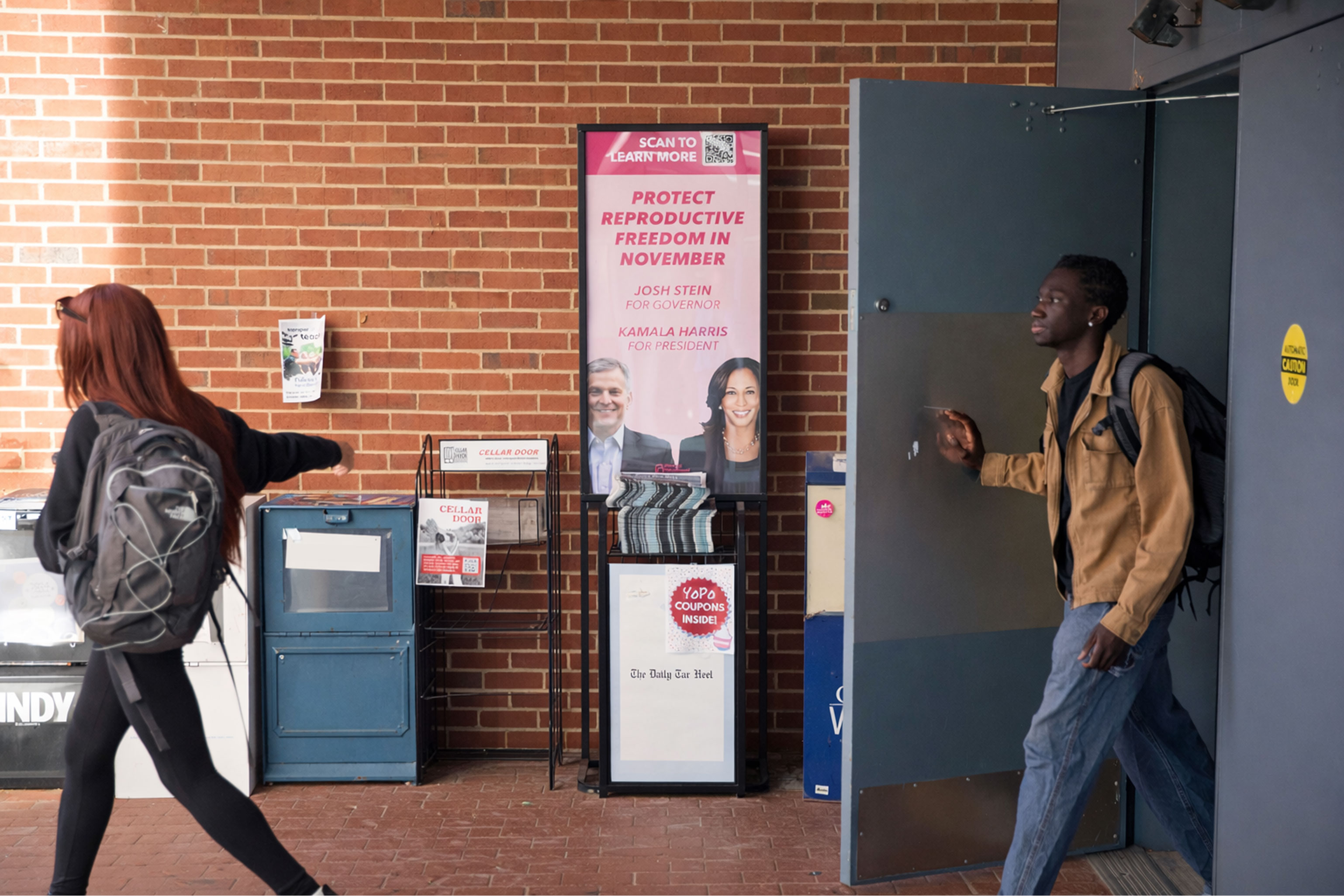
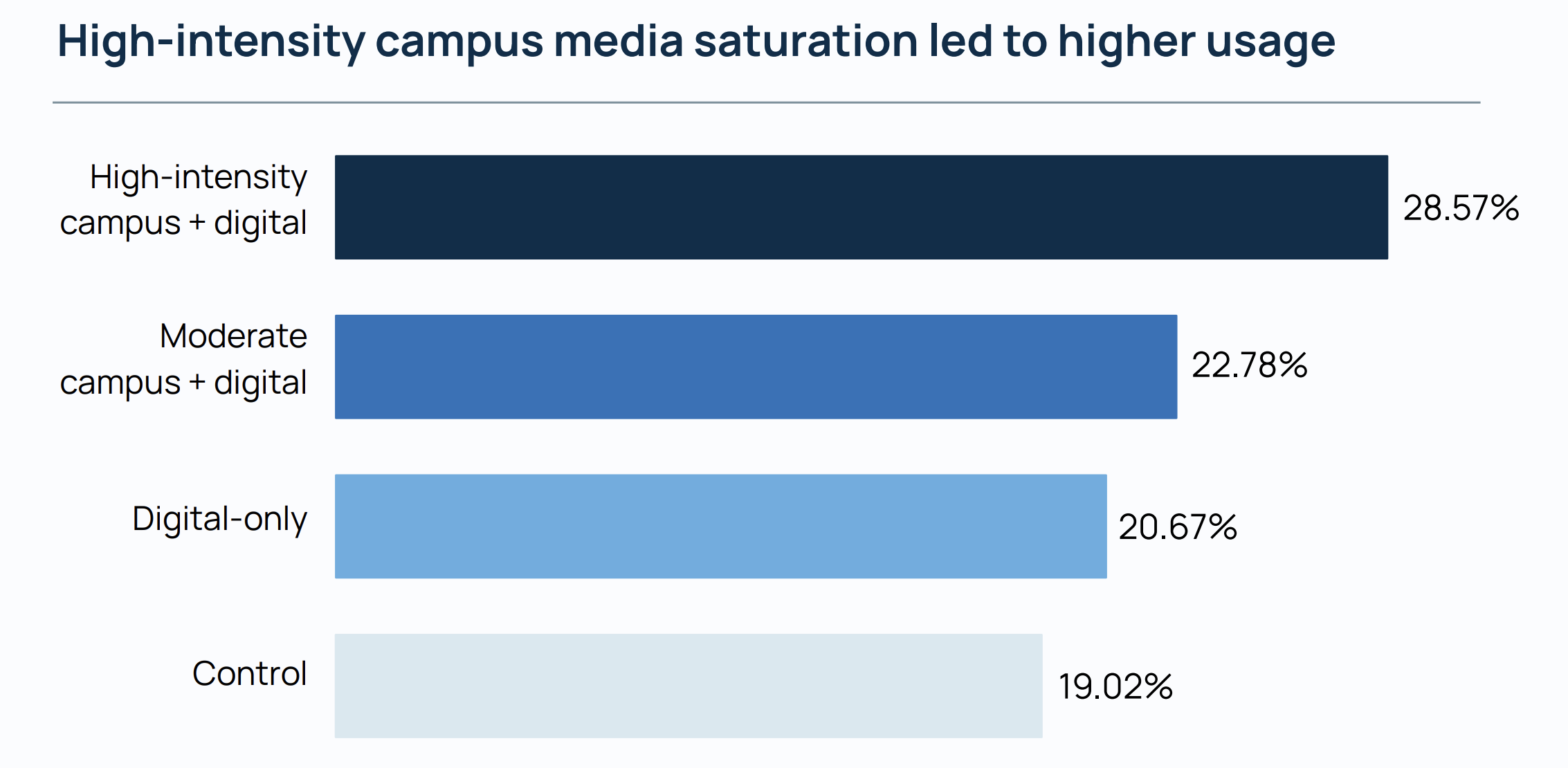
To quantify the effect of campus media on student perception and behavior, flytedesk ran a matched-market experiment for an education app during back-to-college. Campuses were assigned to four conditions: high-intensity campus media plus digital, moderate campus media plus digital, digital-only, and no paid media.
High-intensity campus media combined with digital drove 38% higher app usage than digital alone. Perceived peer adoption moved the same direction: as campus visibility increased, students at targeted campuses became more likely to believe the product was popular among their classmates. In the peer-driven purchase environment of a college campus, that's a self-reinforcing loop: campus media shapes belief, and belief shapes behavior.
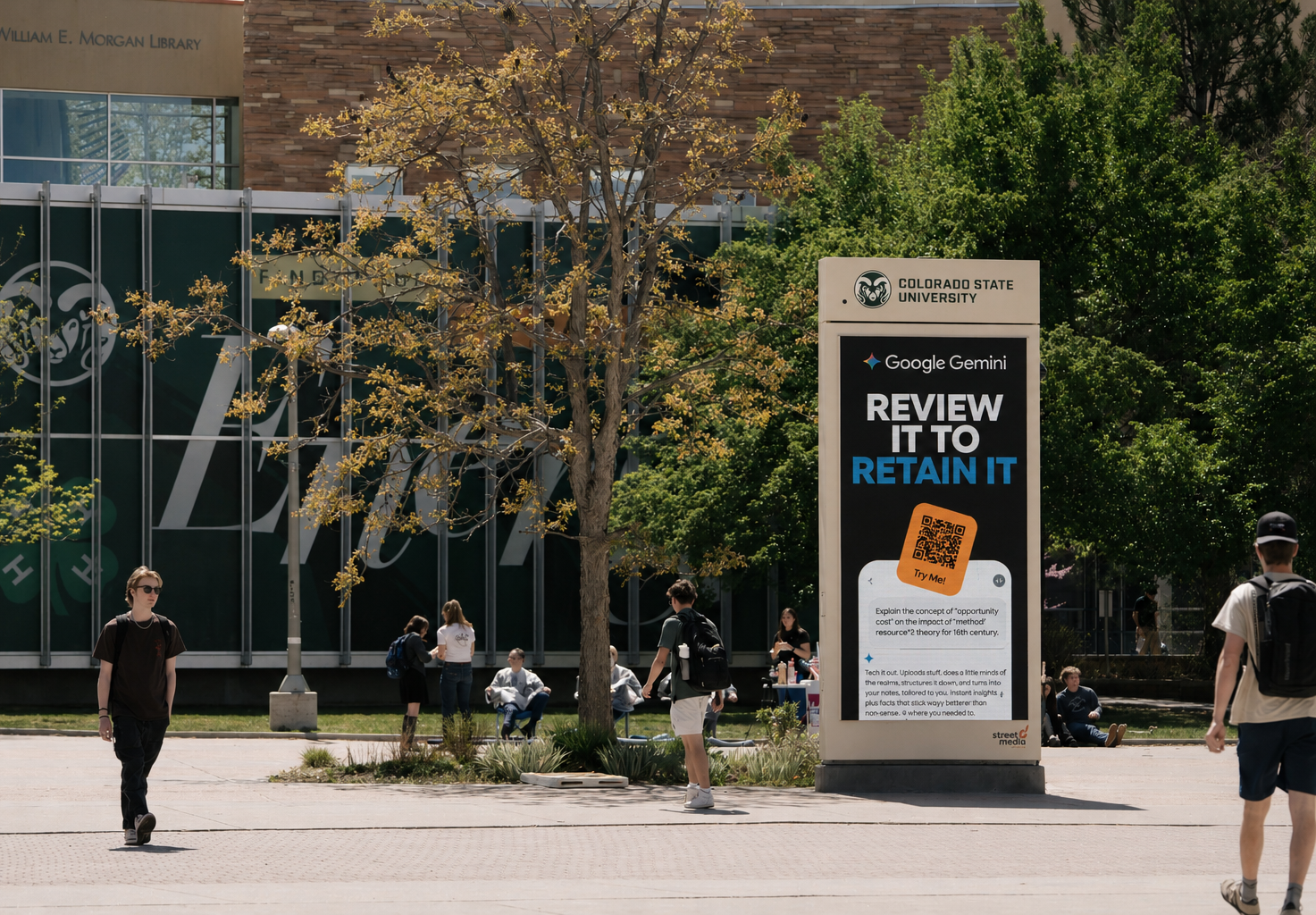
A separate case study shows the same effect at scale. A challenger AI brand went from under 5% brand awareness to nearly tripling that share in 10 months, following a sustained campus media program across 96 campuses. Compared to control campuses, exposed students were 27% more likely to know about the brand's student plan and 22% more likely to have used it in the past 30 days.

On this page
Headings

.avif)

%202.svg)