.svg)
View all articles
Student behavior
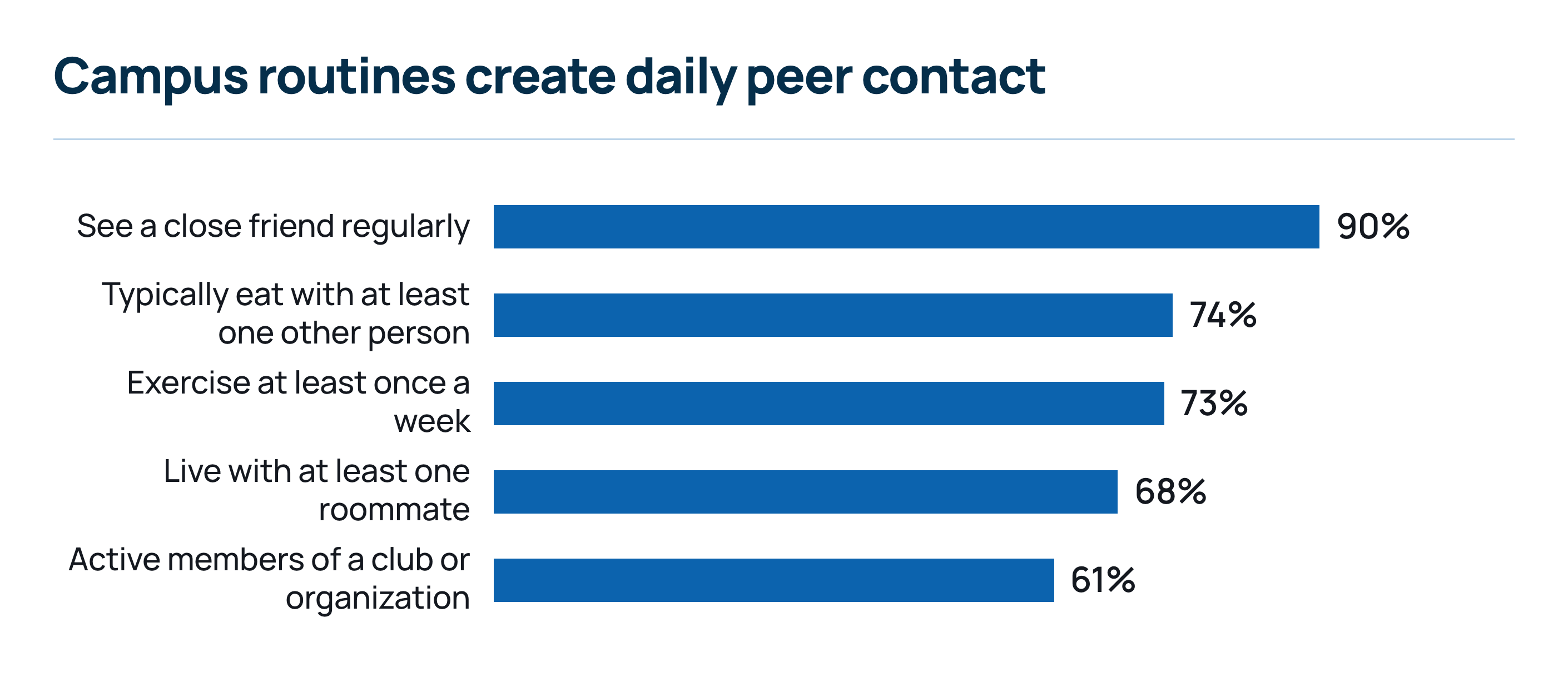
80% of students say they find community on campus, not online. They’re building community through daily campus routines that put them in the same physical spaces alongside the same peers, week after week.
August 12, 2026
Lorem ipsum dolor sit amet, consectetur adipiscing elit. Suspendisse varius enim in eros elementum tristique. Duis cursus, mi quis viverra ornare, eros dolor interdum nulla, ut commodo diam libero vitae erat. Aenean faucibus nibh et justo cursus id rutrum lorem imperdiet. Nunc ut sem vitae risus tristique posuere.
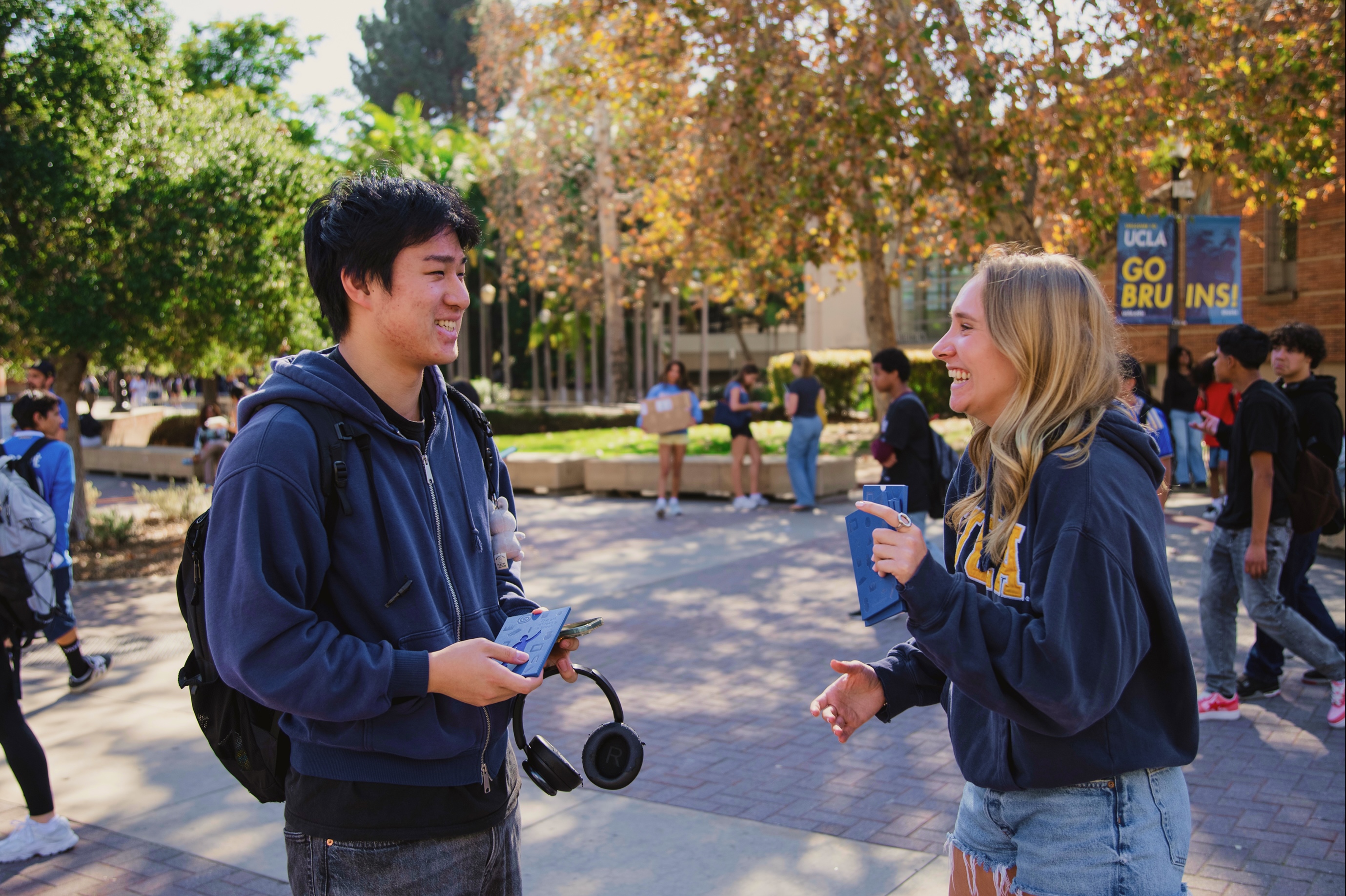
Student social life is defined by daily campus routines. Students go to class, work jobs, join clubs, eat with roommates, exercise, and study, moving through the same physical spaces, surrounded by the same peers, week after week. This constant proximity shapes everything from how they find community to how they shop to who they trust.
80% of students find community on campus, not online. 82% trust recommendations from peers over advertising, and 59% buy the same brands their friends use.
Students’ preference for in-person community aligns with a broader Gen Z trend. Harris Poll research finds that 83% of Gen Z adults have taken steps to limit their own social media use, and 82% associate social media with the word "addicting." Asked to rank their own interests and hobbies from a list of fifteen, students put social media content creation last.
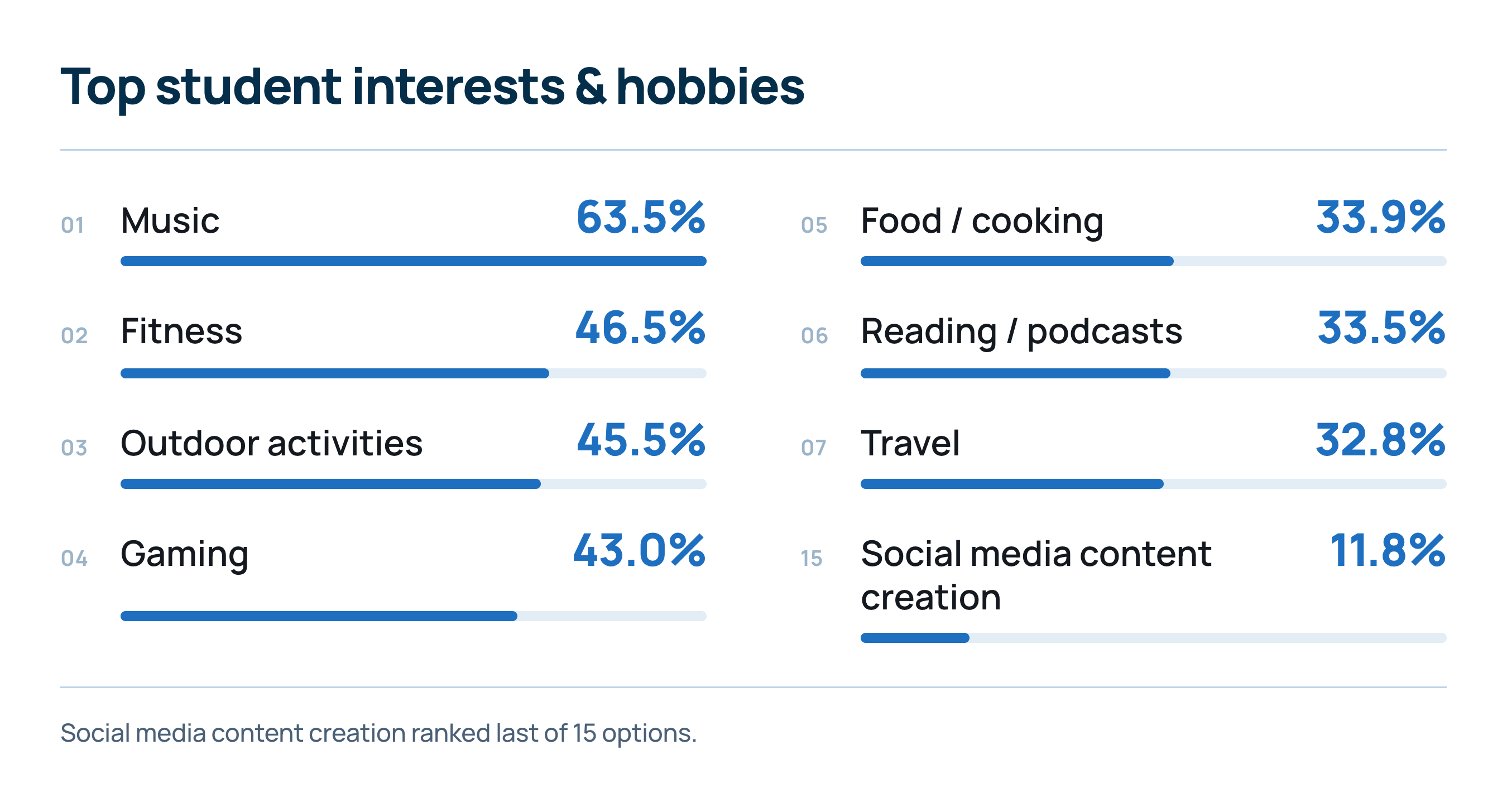
Students are digitally fluent, but they make memories and decisions in real life, in the context of the campus community.
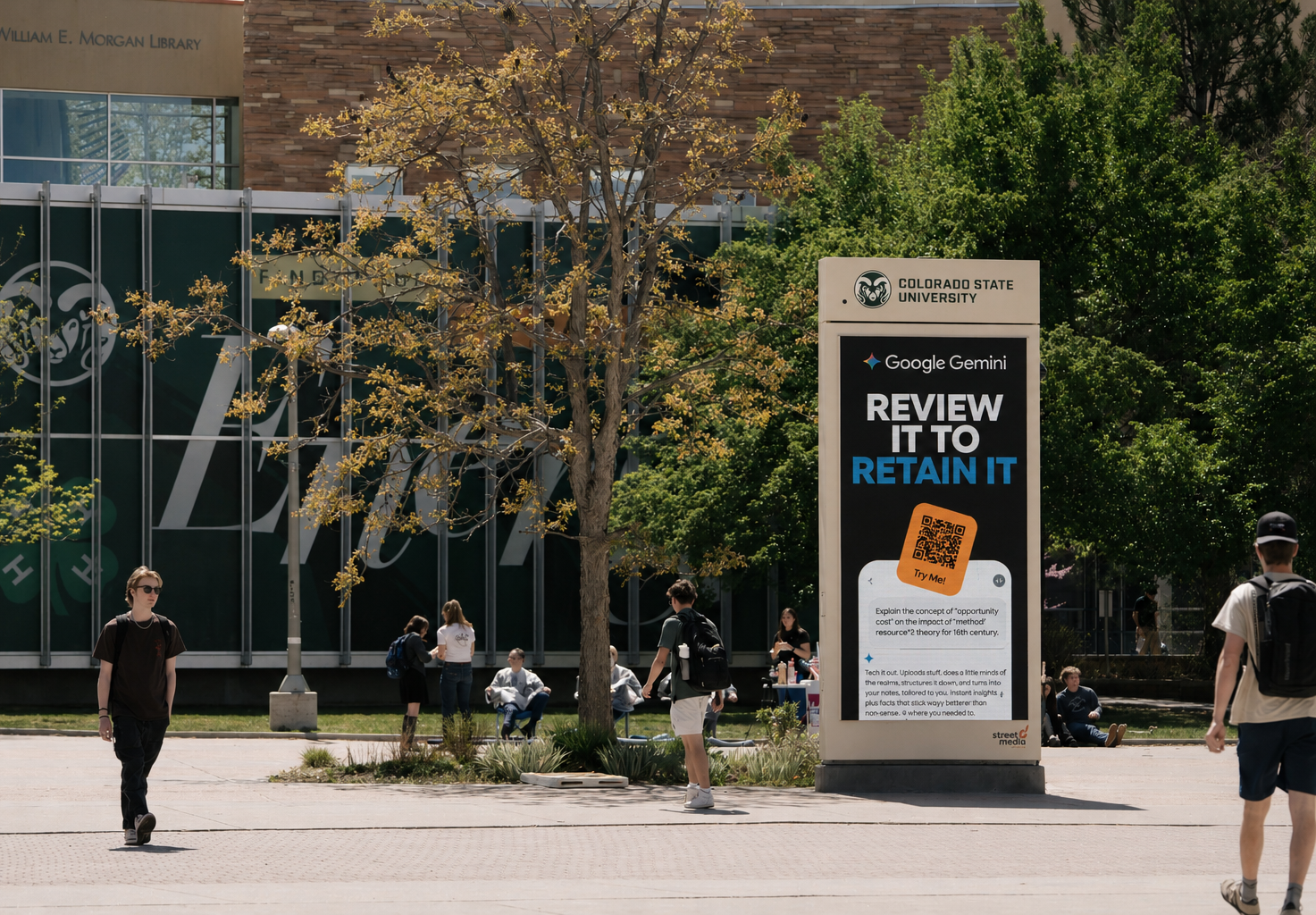
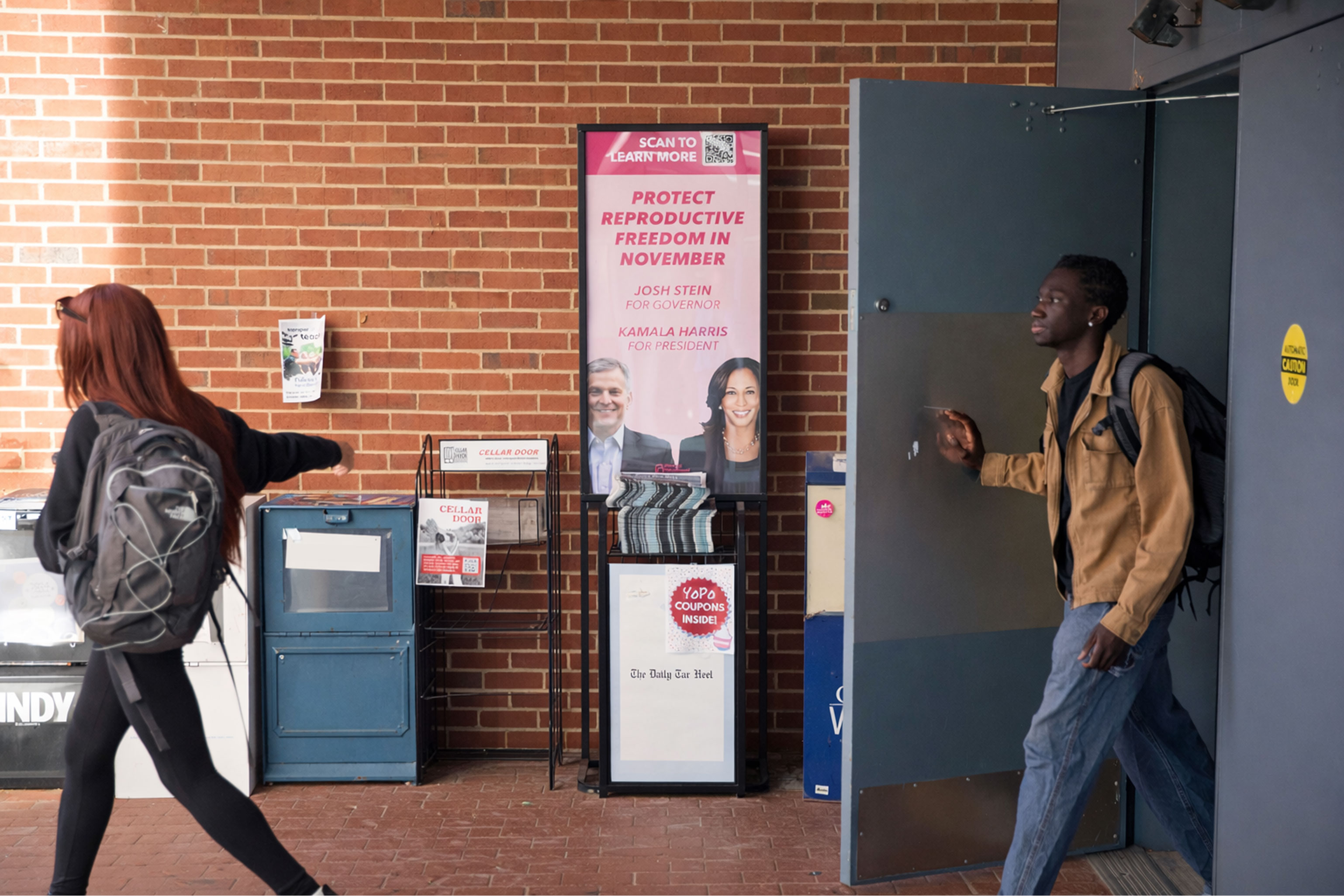
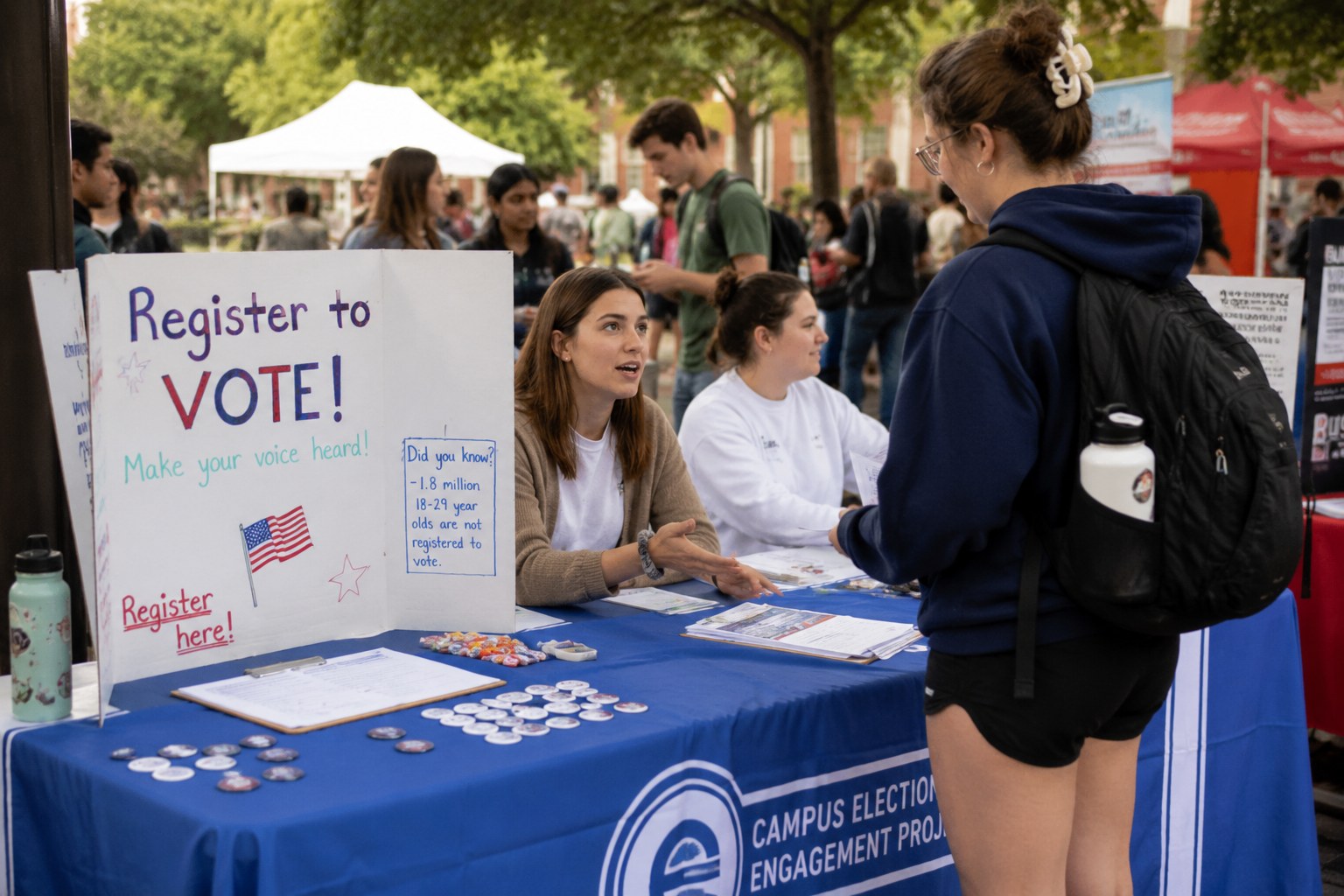
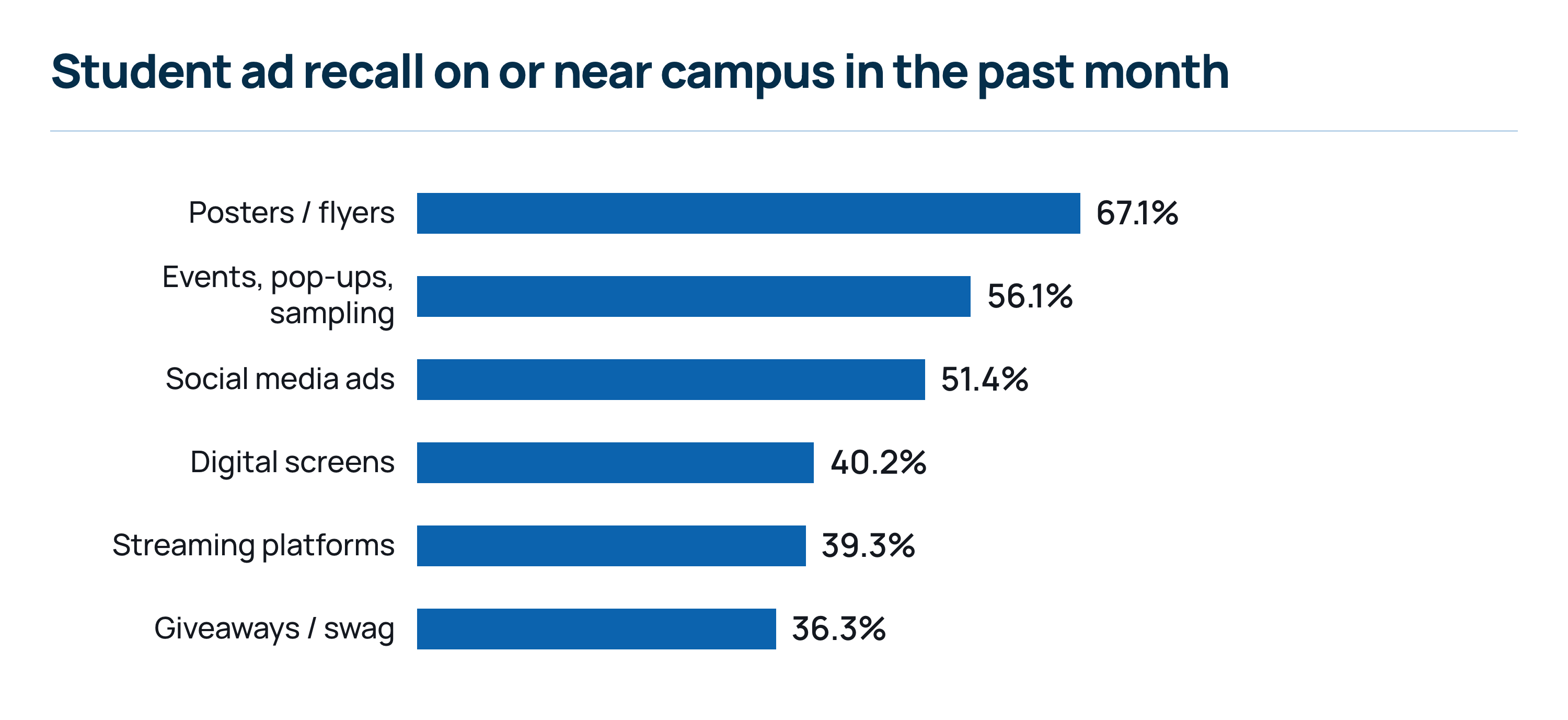
flytedesk research finds that 93% of students recall seeing campus advertising in the past month, substantially higher than typical recall for social or digital advertising. Posters and flyers lead in recall (67%), followed by events, pop-ups, and sampling activations (56%). The formats students remember are the ones they encounter in shared physical spaces alongside their peers.
Campus media works because it shows up where social media doesn't: the dorms, dining halls, clubs, and hallways students move through every day. A brand seen on a transit panel, then a bulletin board, then a poster in the dining hall isn't reaching a student three times. It's reaching them in three different moments, each one alongside peers, and that's what makes it stick.

On this page
Headings

.avif)

%202.svg)