.svg)
View all articles
Politics
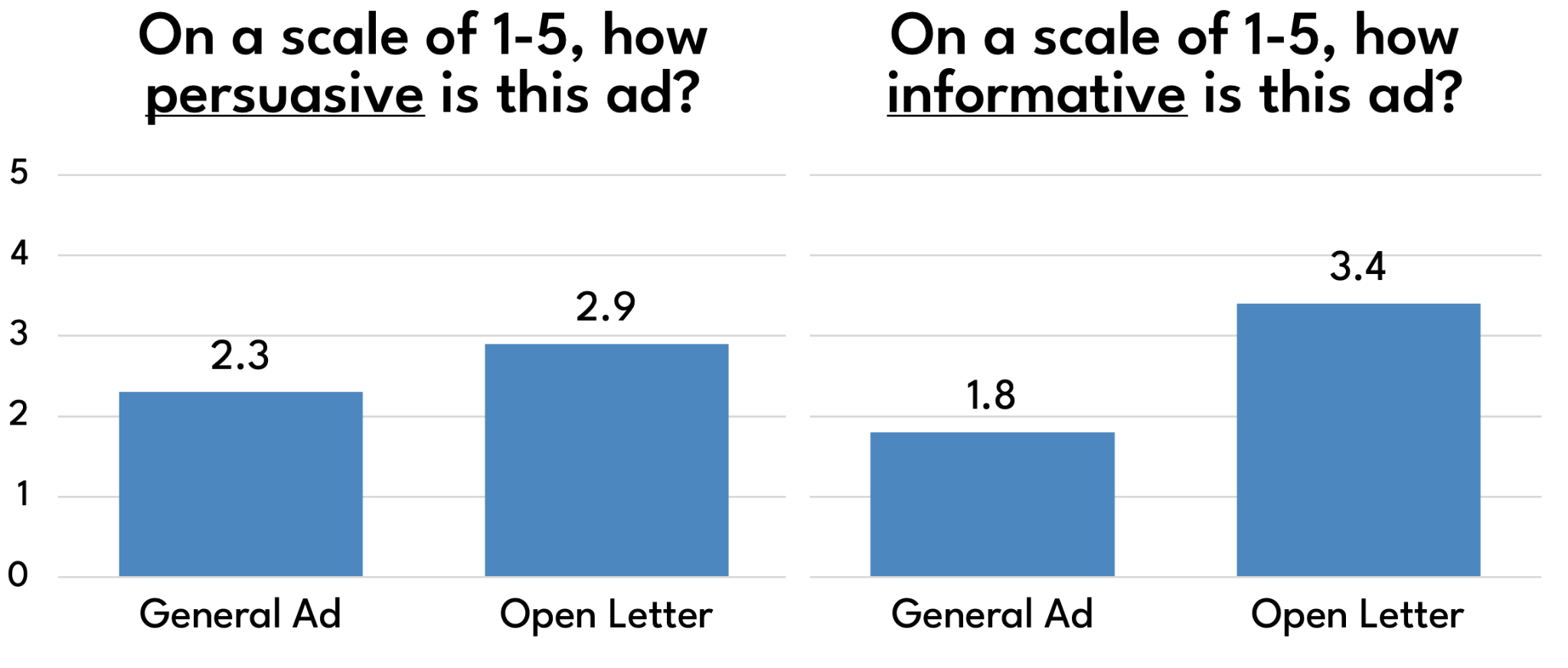
An open letter from Kamala Harris was found to be both more persuasive and informative than a general campaign ad.
Analysis and data collection conducted by flytedesk. Program partner: Harris-Walz 2024 Campaign.
May 1, 2026
Lorem ipsum dolor sit amet, consectetur adipiscing elit. Suspendisse varius enim in eros elementum tristique. Duis cursus, mi quis viverra ornare, eros dolor interdum nulla, ut commodo diam libero vitae erat. Aenean faucibus nibh et justo cursus id rutrum lorem imperdiet. Nunc ut sem vitae risus tristique posuere.
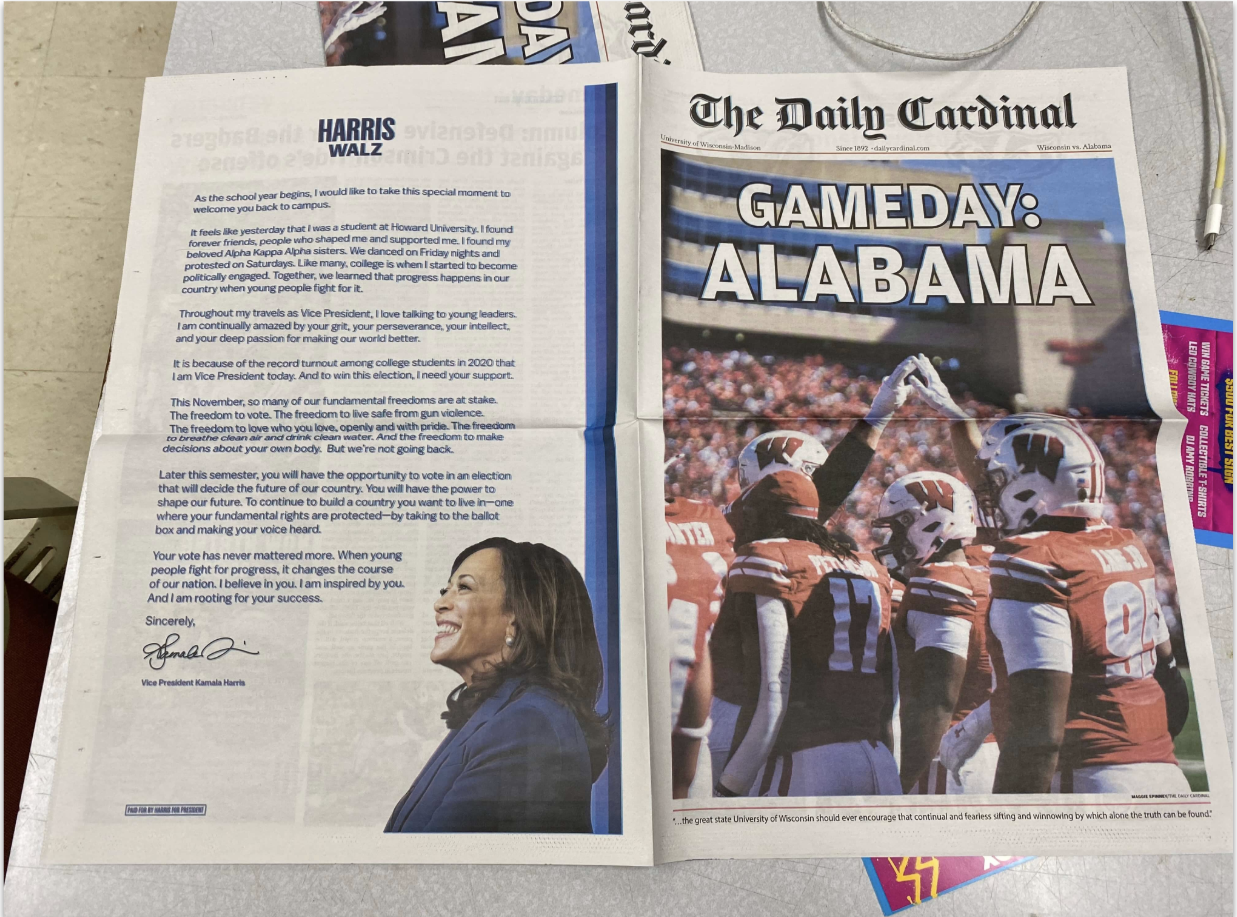
During the 2024 back-to-school period, the Harris-Walz campaign ran a surround-sound campus media program anchored by an open letter from Kamala Harris to college students. The program drove students to a microsite featuring the letter and an introductory video. The program drew national television coverage, campus press, and HBCU-focused media as outlets covered the campaign's back-to-school campus strategy.
A companion survey tested student preferences for political messaging and compared the open letter format against a general campaign ad.
The findings point in a consistent direction: students want to hear from candidates directly, and when they do, the message lands harder.

flytedesk conducted a one-time survey in late July 2024 across battleground state campuses to understand what kind of political messaging resonates most with college students. When asked who they prefer to hear from when they see political ads, 78.7% of students said the candidate themselves, 16.7% an advocacy group or organization, and 4.7% who preferred a political party. This finding pointed to an unmet demand for direct candidate communication on campus heading into the 2024 cycle.
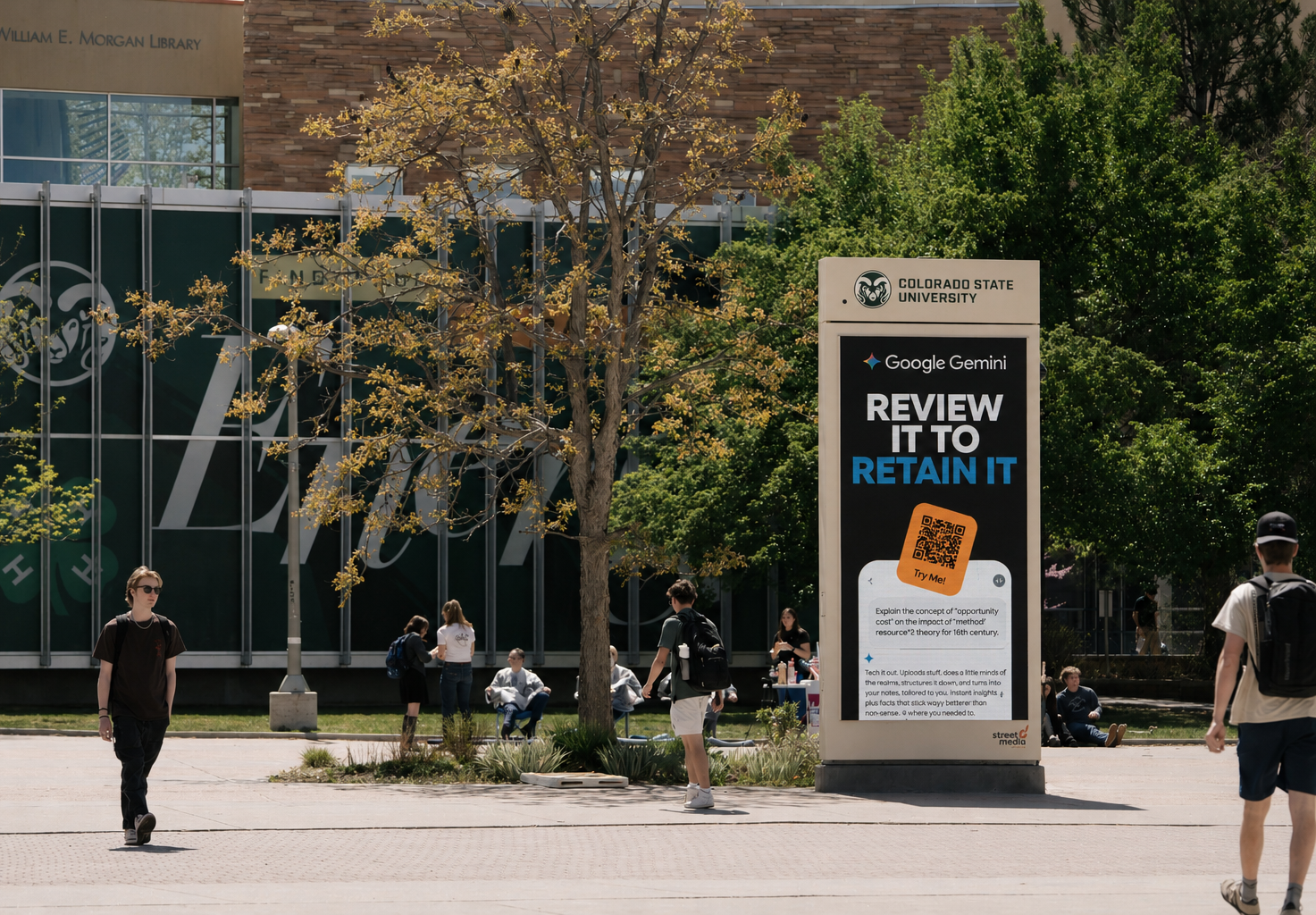
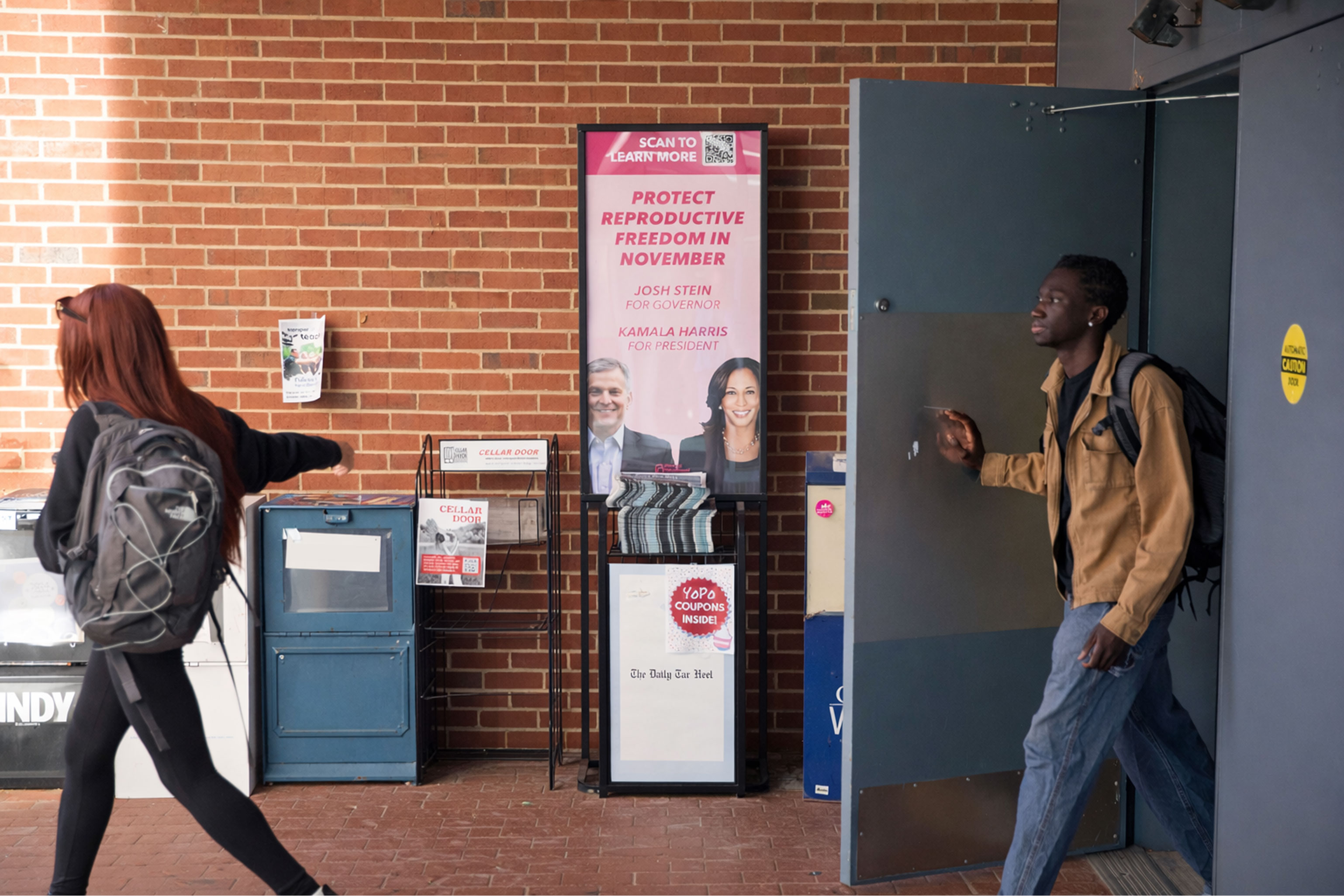
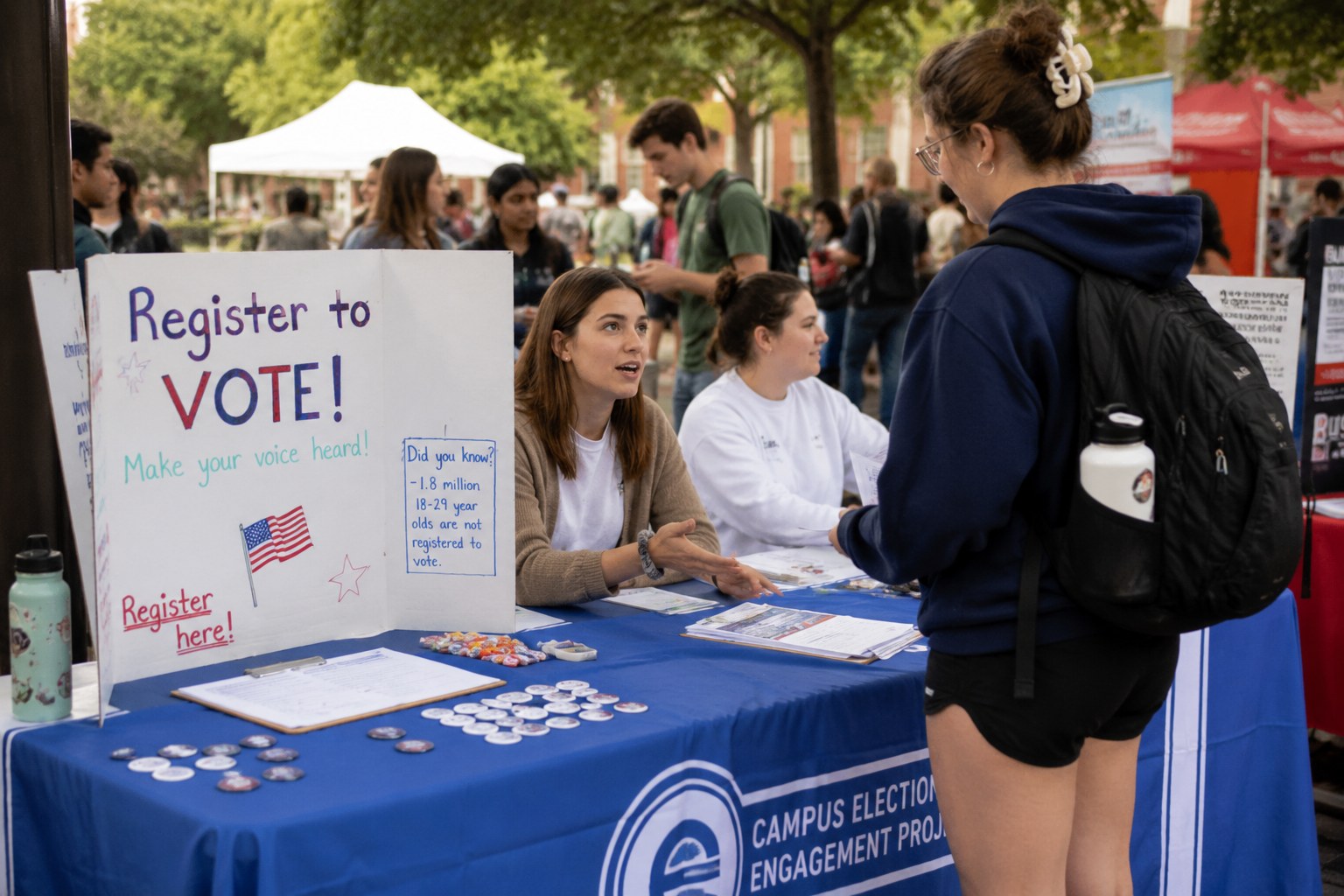
The Harris-Walz campaign opened the cycle with an open letter from the Vice President designed to build a personal connection with students and establish her record on issues they care about. The campaign deployed a surround-sound program across out-of-home placements, campus newspapers, email newsletters, posters, flyers, and web advertising, all driving students to a microsite housing the open letter and an introductory Harris video. The goal was to make the letter feel like a campus moment, not a political mailer.
Students were shown two ads designed for college newspapers: a general campaign ad and the open letter format. They rated each on persuasiveness and informativeness on a scale of 1 to 5. The open letter scored higher on both dimensions. On persuasiveness, the open letter scored 2.9 vs. 2.3 for the general ad. On informativeness, the open letter scored 3.4 vs. 1.8 for the general ad: an 89% relative improvement on the measure where candidate communication has the most room to move students.
Students want to hear from candidates, not about them. Nearly 4 in 5 students prefer direct candidate communication over messaging from advocacy groups or parties. This is a meaningful strategic signal for campaigns deciding how to allocate campus media investment.
Format shapes impact. The open letter outperformed a standard campaign ad on both persuasiveness and informativeness. For campaigns looking to introduce a candidate to a student audience, formats that feel personal and substantive outperform generic creative.
Welcome Week is a high-leverage entry point. The back-to-school period is when students are most open to new information and forming political habits. A campus program that leads with direct candidate voice during this window sets the tone for the rest of the cycle.

On this page
Headings

.avif)

%202.svg)